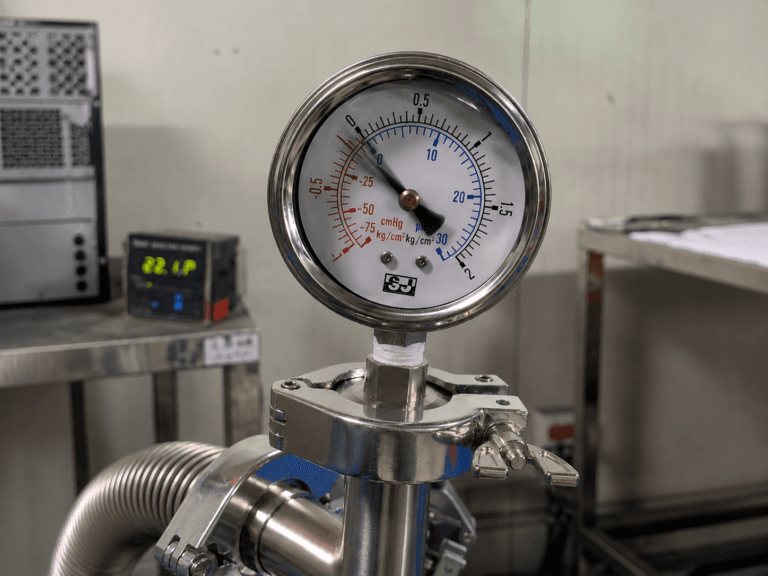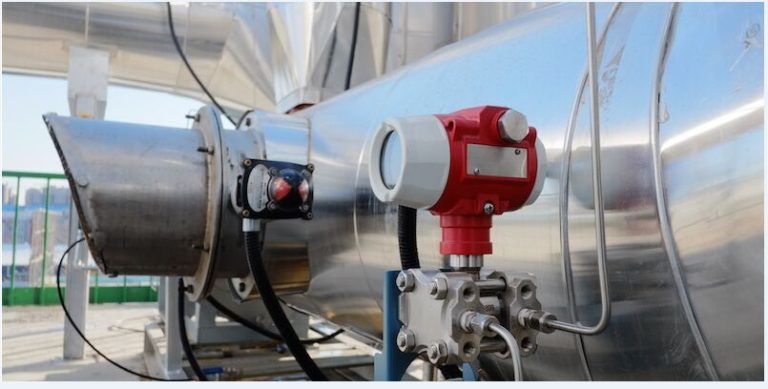









SJ Gauge có nhiều năm kinh nghiệm chuyên nghiệp trong lĩnh vực đo lường áp suất và nhiệt độ. Trong bài viết này, chúng tôi sẽ chia sẻ với bạn cách đọc và giải thích các đồng hồ áp suất. Chúng tôi cũng sẽ cung cấp hướng dẫn về cách xử lý các đồng hồ áp suất bị hư hỏng. Ngoài ra, chúng tôi sẽ thảo luận về sáu nguyên nhân phổ biến gây hỏng hóc đồng hồ áp suất, giúp bạn có được hiểu biết toàn diện thông qua bài viết này.
Nếu bạn quan tâm đến chủ đề của bài viết này, vui lòng tiếp tục đọc. Hãy thoải mái đặt câu hỏi hoặc liên hệ trực tiếp với chúng tôi. SJ Gauge cam kết cung cấp cho bạn những câu trả lời và giải pháp tốt nhất.
1. Nguyên nhân nào khiến đồng hồ đo áp suất bị hỏng?
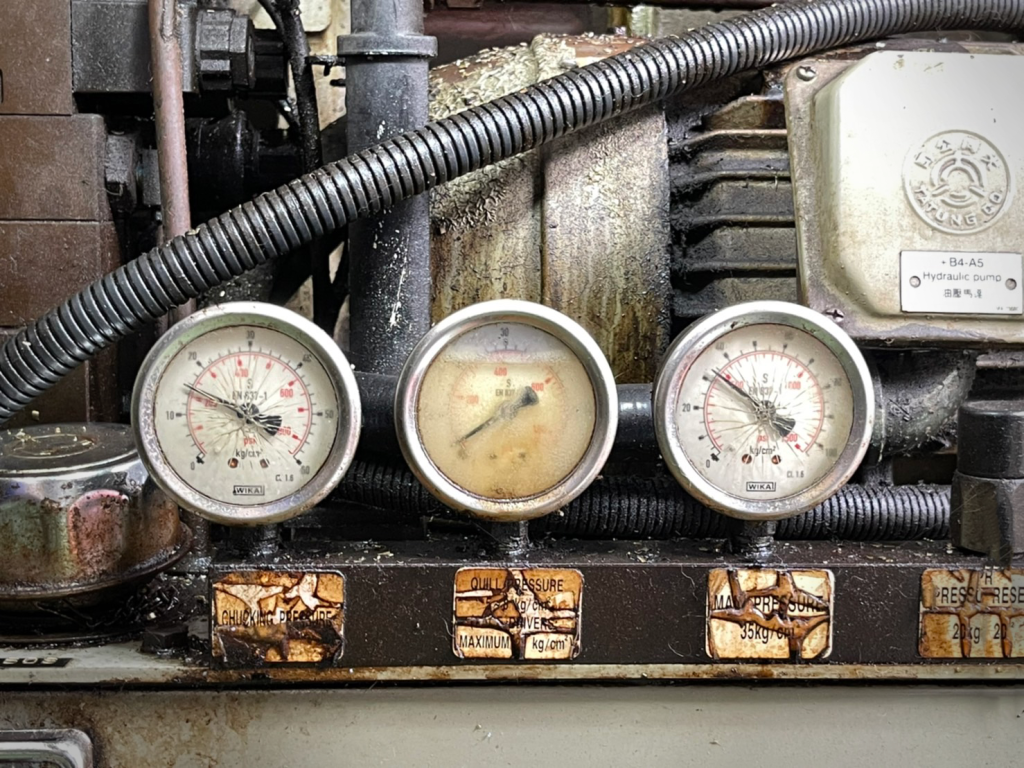
Các sự cố của đồng hồ đo áp suất bắt nguồn từ nhiều yếu tố, hầu hết đều liên quan đến việc vận hành không đúng cách và lỗi của con người. Những vấn đề này có thể được tránh một cách hiệu quả bằng cách hiểu rõ về các thiết bị và sử dụng cẩn thận. Bài viết này đề cập đến các nguyên nhân gây ra sự cố của đồng hồ đo áp suất và cung cấp các phương pháp phòng ngừa thiết thực. Để được hướng dẫn thêm về các tiêu chuẩn tuân thủ, vui lòng tham khảo ASME B40.100-2013 và EN837-1.
(Đọc thêm: Đồng hồ đo áp suất và phụ kiện đồng hồ đo áp suất theo tiêu chuẩn ASME B40.100-2013)
(Đọc thêm: Tiêu chuẩn DIN EN 837-1:1997 Đồng hồ đo áp suất – Phần 1: Đồng hồ đo áp suất ống Bourdon – Kích thước, đo lường, yêu cầu và thử nghiệm)
2. Sáu nguyên nhân chính dẫn đến sự cố của thiết bị chịu áp lực.
2-1. Rung/giật quá mức
Lý do:
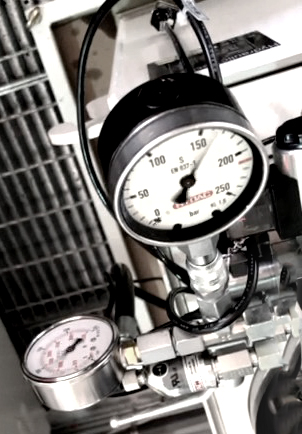
Rung động thiết bị và biến động áp suất đột ngột là nguyên nhân chính gây hỏng đồng hồ đo. Rung động cơ học gây ra hiện tượng kim chỉ thị bị rung lắc và làm tăng ứng suất lên ống Bourdon, dẫn đến mài mòn bánh răng về lâu dài. Trong khi đó, sự tăng giảm áp suất và xung động do việc đóng mở van thường xuyên làm giảm khả năng đọc, làm cong kim chỉ thị, làm gãy chốt chặn và làm suy giảm độ bền cấu trúc tổng thể của các bộ phận.
Giải pháp:
Việc lắp đặt thiết bị xa nguồn hơn bằng cách sử dụng ống mao dẫn PRA-CL giúp giảm rung động hiệu quả. Để giảm thiểu hiện tượng xung áp, có thể sử dụng đồng hồ đo áp suất chứa chất lỏng làm giải pháp giảm chấn; nếu việc chứa chất lỏng không khả thi, việc lắp đặt bộ giảm chấn áp suất PRA-SB có thể làm giảm chấn hiệu quả dòng chảy của môi chất trong quá trình.
(Đọc thêm: Ống mao dẫn PRA-CL dùng cho đồng hồ đo áp suất)
(Đọc thêm: Bộ giảm chấn áp suất PRA-SB)
2-2. Nhiệt độ cực cao/cực thấp
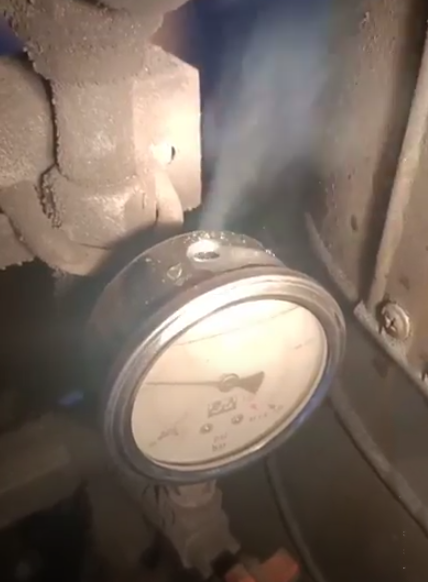
Lý do:
Khi nhiệt độ môi trường xung quanh hoặc môi chất trong quá trình vượt quá giới hạn của đồng hồ đo, mặt số, cửa sổ và chất lỏng bên trong dễ bị đổi màu, trong khi các gioăng bị cứng lại và nứt, gây rò rỉ tại nút thông hơi bằng cao su hoặc các khu vực khác. Điều này thậm chí có thể làm vỡ ống Bourdon, gây nguy hiểm cho người vận hành. Ngược lại, nhiệt độ dưới giới hạn làm đông đặc chất lỏng bên trong, dẫn đến thời gian phản hồi chậm hoặc kết quả đo không chính xác.
Giải pháp:
Việc lắp đặt hệ thống điều hòa không khí, hệ thống sưởi hoặc hệ thống phun nước giúp duy trì nhiệt độ môi trường ổn định. Để kiểm soát nhiệt độ môi chất trong quá trình, có thể sử dụng ống siphon bằng thép không gỉ PRA-SP, bộ gia nhiệt hoặc hệ thống làm mát bằng nước; nếu không gian hạn chế, bộ phận làm mát PRA-C là một lựa chọn thay thế tuyệt vời.
(Đọc thêm: Ống siphon bằng thép không gỉ PRA-SP)
(Đọc thêm: Bộ phận làm mát PRA-C dành cho thiết bị đo áp suất)
2-3. Hiện tượng tăng áp đột ngột/áp suất quá cao
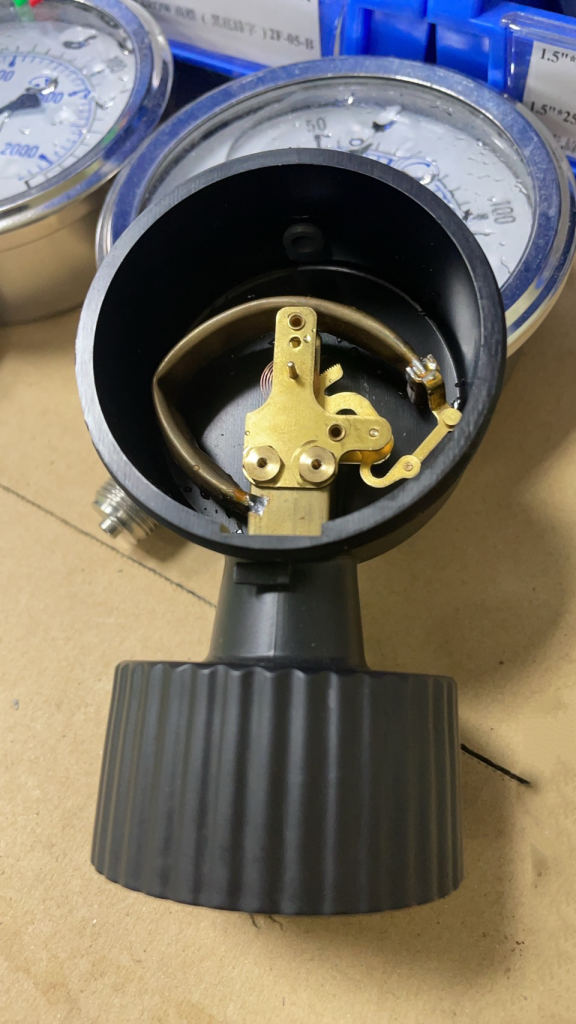
Lý do:
Có nhiều nguyên nhân gây ra hiện tượng tăng áp đột ngột và quá áp, bao gồm trục trặc máy móc, đóng băng môi chất và đóng mở van nhanh, tất cả đều đẩy giá trị áp suất vượt quá phạm vi tối đa. Những điều kiện này làm biến dạng hoặc vỡ ống Bourdon, mặt số và các bộ phận khác, đồng thời làm cong kim chỉ thị và làm giảm độ chính xác tổng thể.
Giải pháp:
Khi sự cố thiết bị thường xuyên gây ra nguồn áp suất không ổn định, nên lắp đặt bộ bảo vệ quá áp bằng thép không gỉ. Thiết bị này có thể được cài đặt để tự ngắt ở phạm vi toàn thang đo nhằm ngăn ngừa hư hỏng thiết bị. Nếu nguồn áp suất vẫn ổn định nhưng giá trị vẫn vượt quá toàn thang đo, nên chọn một đồng hồ đo mới phù hợp với áp suất hoạt động tối đa.
(Đọc thêm: (Bộ giảm chấn áp suất PRA-SB)
2-4. Dụng cụ bị tắc nghẽn

Lý do:
Khi môi chất trong quá trình dễ bị kết tinh (như nước mặn), chứa tạp chất (như nước thải và nước cống), hoặc có độ nhớt cao (như mủ cao su và nhựa đường), ống Bourdon có thể dễ dàng bị tắc nghẽn hoặc kẹt, cản trở hoạt động chính xác của đồng hồ đo.
Giải pháp:
Có thể ngăn ngừa tắc nghẽn bằng cách tích hợp bộ lọc hoặc màng chắn để ngăn chặn tạp chất. Màng chắn giúp cách ly hiệu quả môi chất khỏi ống Bourdon trong khi vẫn duy trì độ chính xác đo lường. Để tìm hiểu thêm về các ứng dụng này, hãy xem bài viết chi tiết của chúng tôi.
(Đọc thêm: Khi nào cần lắp màng ngăn áp suất cho đồng hồ đo áp suất?)
(Đọc thêm: Màng ngăn áp suất)
2-5. Ăn mòn dụng cụ
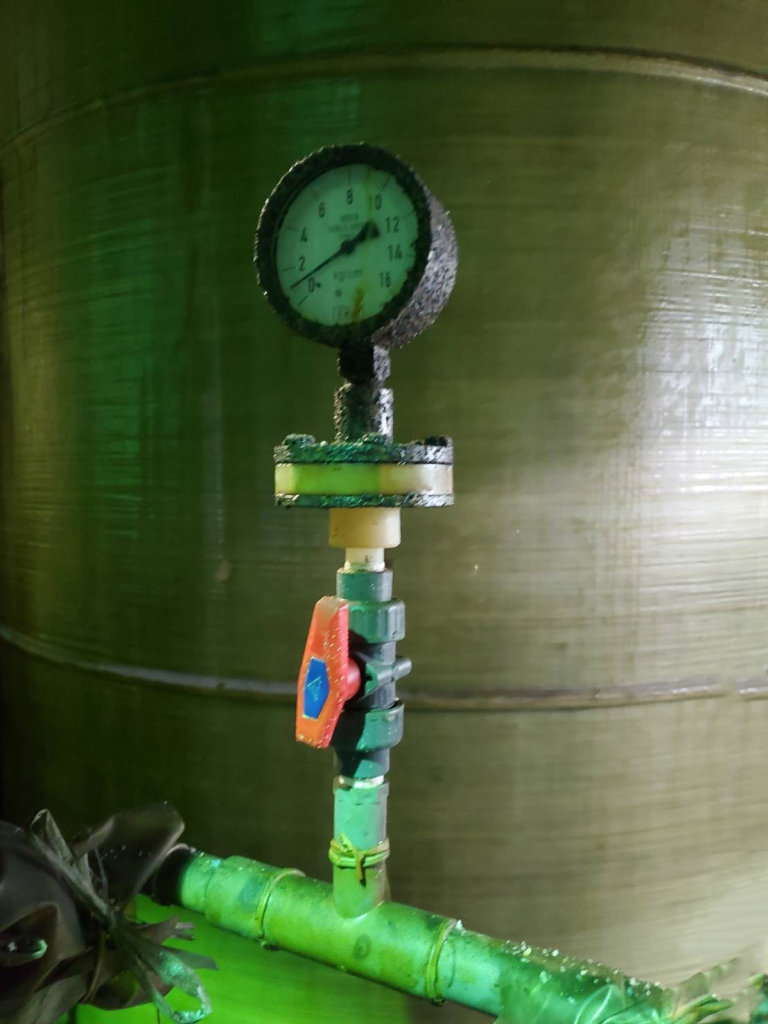
Lý do:
Khi đo các môi chất có tính ăn mòn cao (như axit clohydric, axit nitric, amoniac và axit sulfuric), ống Bourdon có thể bị ăn mòn và gây rò rỉ, điều này cũng tiềm ẩn nguy cơ gây thương tích cho người vận hành.
Giải pháp:
Việc tích hợp màng chắn hoặc lựa chọn các bộ phận tiếp xúc với chất lỏng tương thích với môi trường ăn mòn có thể kéo dài tuổi thọ của đồng hồ đo áp suất và đảm bảo an toàn cho người vận hành.
(Đọc thêm: Màng ngăn áp suất)
2-6. Lạm dụng/sử dụng sai cách nhạc cụ
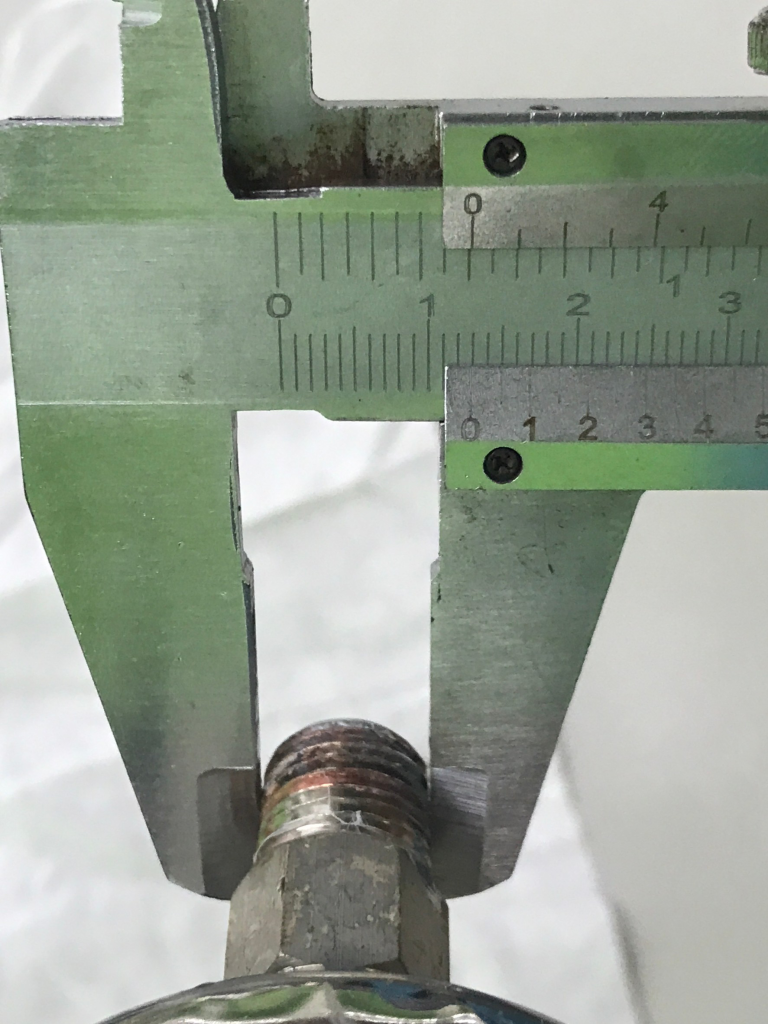
Lý do:
Việc lắp đặt không đúng cách và sử dụng ren không đúng kích thước có thể gây rò rỉ môi chất trong quá trình và làm giảm độ chính xác của thiết bị. Ngoài ra, siết quá chặt có thể dẫn đến mài mòn và làm hỏng ren.
Giải pháp:
Việc lựa chọn đúng kích thước, loại và hình dạng ren trước khi lắp đặt dụng cụ là vô cùng cần thiết. Luôn sử dụng cờ lê thay vì nắm vào vỏ dụng cụ khi lắp đặt và siết chặt đồng hồ đo áp suất. Sau khi lắp đặt, tuyệt đối không được leo lên đồng hồ đo áp suất hoặc dùng nó làm bậc thang, vì điều này có thể gây hư hỏng không thể khắc phục được cho dụng cụ.
3. Bảo dưỡng và bảo trì định kỳ các đồng hồ đo áp suất
Hiểu rõ các tiêu chuẩn ngành về lắp đặt thông qua bài viết của chúng tôi về giới thiệu và lựa chọn ren. Kiểm tra định kỳ các thiết bị có thể đảm bảo các bộ phận hoạt động đúng cách, kéo dài tuổi thọ của thiết bị và duy trì độ chính xác.