









Knowledge
Welcome to the SJ Gauge Knowledge Center, featuring technical articles and application insights on pressure gauges, thermometers, diaphragm seals, smart transmitters, and industrial measurement instruments.
From selection guides and installation tips to real-world application experiences, we help improve measurement stability, equipment reliability, and overall process efficiency.

What to Do When Liquid-Filled Pressure Gauges Don’t Work?
Is a liquid-filled pressure gauge right for me?Learn how to troubleshoot common issues with liquid-filled pressure gauges with SJ Gauge's expert guidance in 5 minutes!
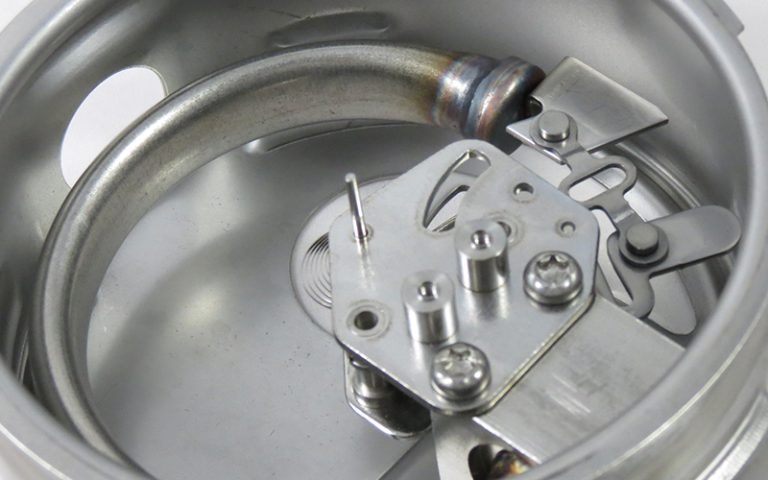
What Are the Internal Structures of Different Mechanical Pressure Gauges?
What Are the Internal Structures of Different Mechanical Pressure Gauges?When measuring pressure, different pressure gauges can be selected according to different measuring methods, environments and pressure sources.
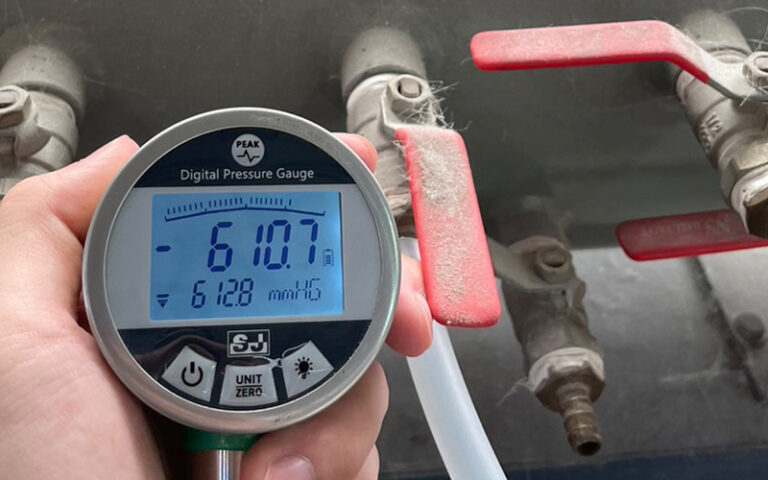
Why Can`t a Vacuum Gauge Reach -760 mmHg? How Does a Pressure Gauge Measure Vacuum?
A vacuum gauge is used to measure the vacuum level inside a system. In general, atmospheric pressure is taken as the reference zero point, so under standard atmospheric pressure at sea level, the maximum reading of a vacuum gauge is about -760 mmHg (or -76 cmHg), which represents a near-perfect vacuum condition.
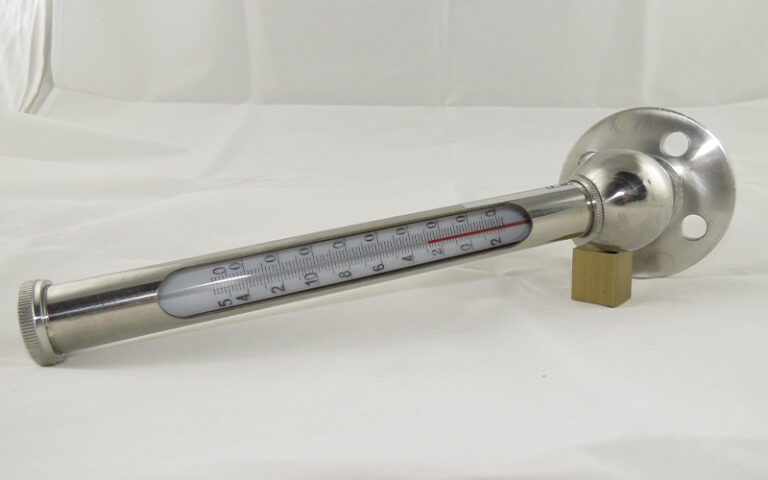
What is a glass thermometer? How should you choose one? Learn 5 key facts about glass thermometers
Thinking about buying a glass thermometer but not sure how to choose?With the following 5 quick tips, SJ Gauge helps you gain a deeper understanding of glass thermometers in just five minutes.
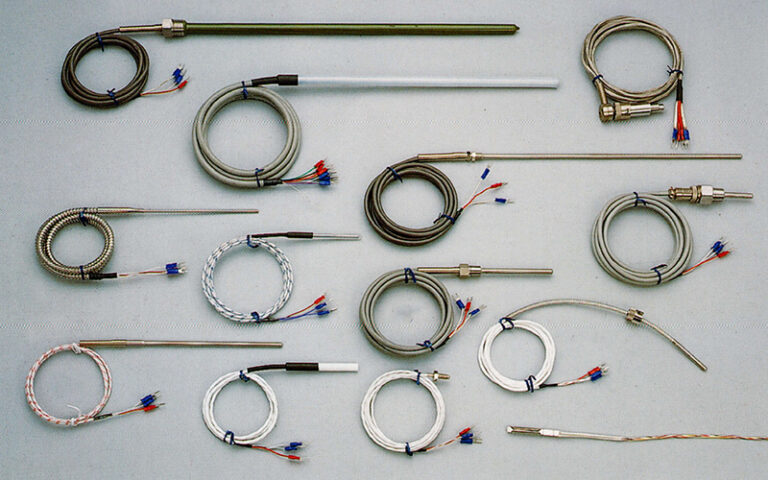
What is a temperature probe? What are the differences in wiring between thermocouples and RTDs? How should you choose among K, N, S, E, and J types?
It is common practice to refer to both thermocouples and resistance temperature detectors (RTDs) as temperature sensors, but in fact they are two different things.
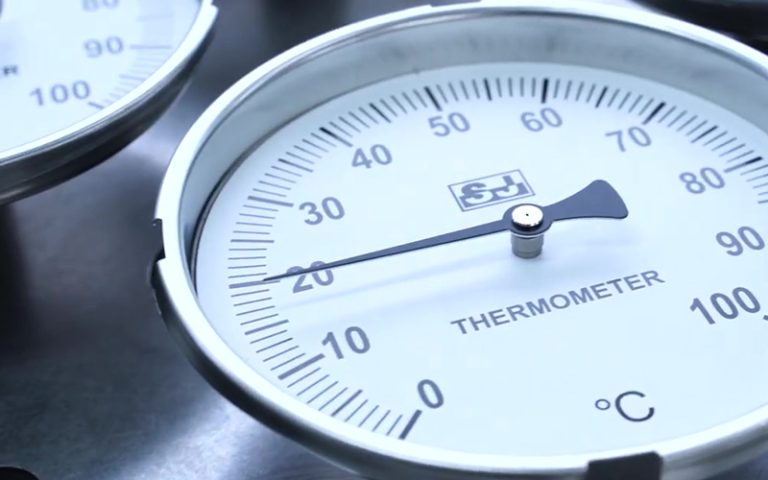
Dial Thermometer Selection Principles: Six Key Points for Purchasing Dial Thermometers!
How do you choose a thermometer?If your application requires accurate and stable temperature measurement while ensuring the safety of both equipment and operators, selecting the right dial thermometer is essential.
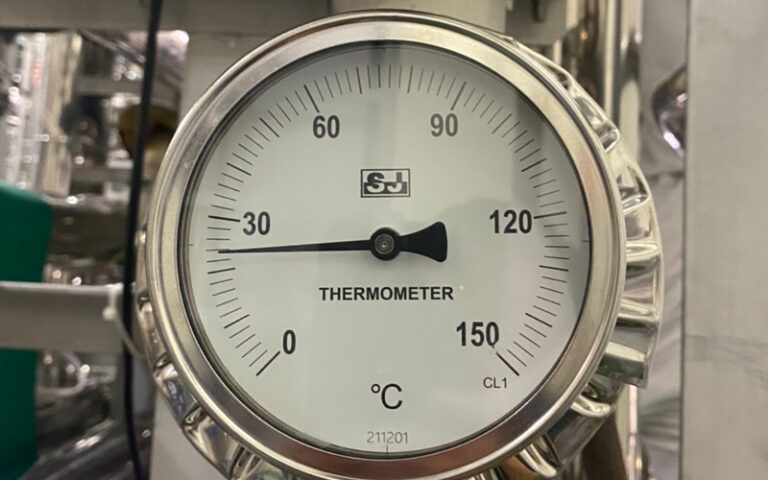
Why are thermometers often inaccurate? What causes errors in temperature measurement?
Temperature measurement is critical in many processes, such as determining whether a reaction is complete and ensuring product quality.

The Difference Between Bimetal and Gas Expansion Thermometers?
There are many types of industrial thermometers. Among them, the common types are bimetallic and gas expansion thermometers.
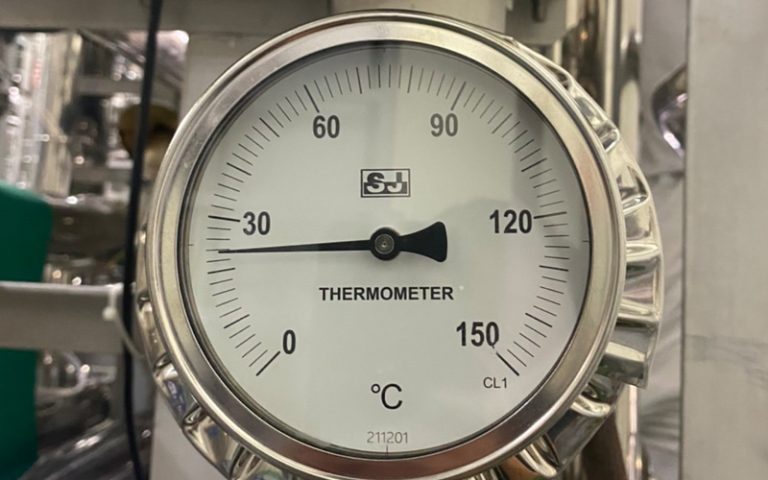
The Accuracy Class and Limits of Error of Dial Thermometers
The accuracy of dial thermometers is crucial in industrial processes and decision-making.
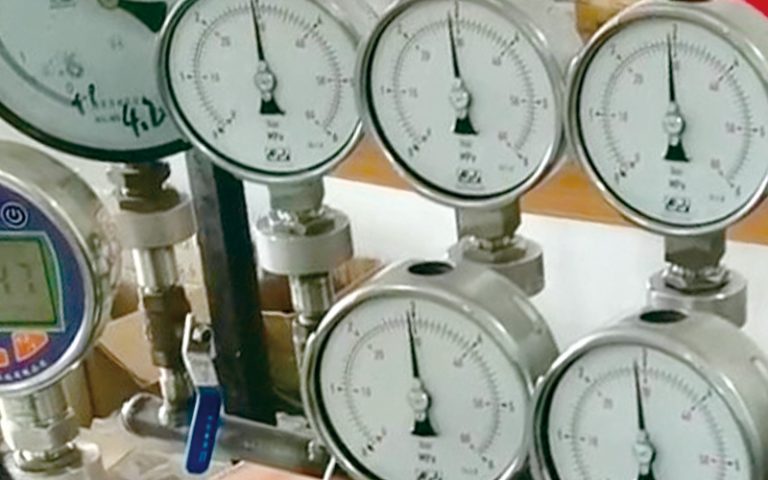
The Accuracy Grade and Tolerance Error of Dial Pressure Gauges
The accuracy of dial pressure gauges is crucial in industrial processes and decision-making!

Simple Steps to Distinguish Gauge Pressure and Absolute Pressure
Do you know the difference between absolute pressure and gauge pressure? What do positive and negative pressures mean?