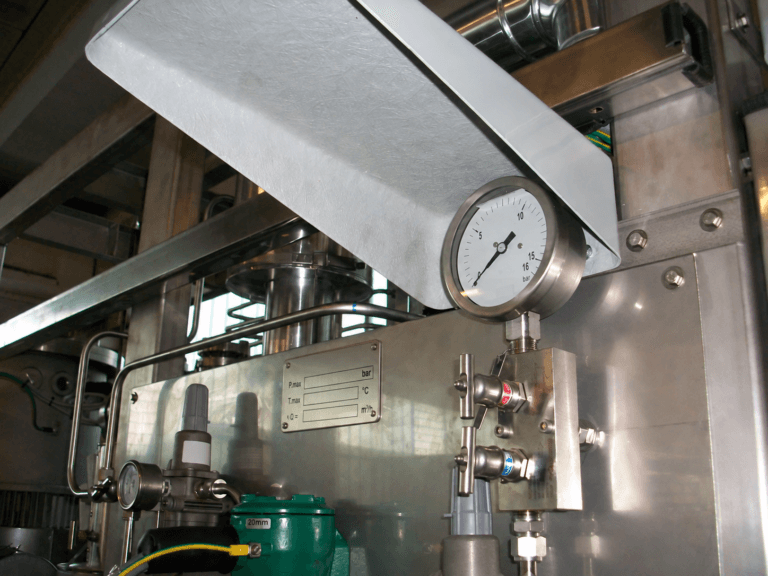


Glycerin and silicone oil are common case fills for liquid-filled pressure gauges. Glycerin provides good damping at a lower cost for many industrial applications. Silicone oil usually flows more readily at low temperatures, so it is worth considering for cold storage, outdoor equipment and sites with large temperature swings.
To choose a fill, consider the ambient temperature range, vibration level, required pointer response and cost. Confirm the allowable ambient temperature for the specific gauge and fill grade.
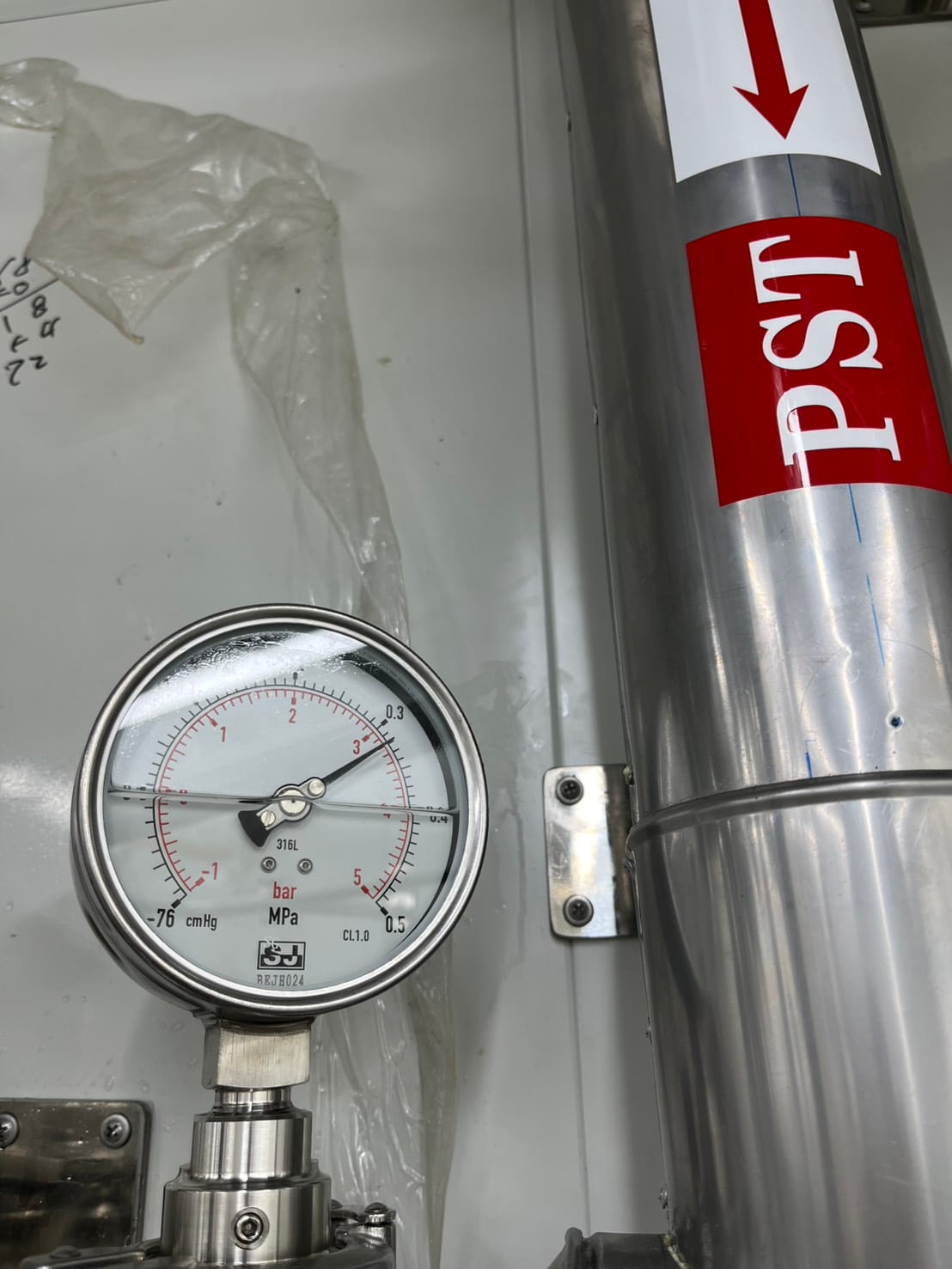
Glycerin and Silicone Oil Compared
| Comparison factor | Glycerin | Silicone oil |
|---|---|---|
| Case-fill damping | Good for many general applications | Depends on the viscosity grade |
| Low-temperature flow | Thickens in cold conditions | Usually flows better at low temperatures |
| Typical operating environments | General industrial equipment, pumps and hydraulic systems | Cold storage, outdoor equipment and sites with large temperature swings |
| Cost | Usually lower | Usually higher |
| Available case fills | Glycerin or a glycerin and water mixture | Available in different viscosity grades |
When Is a Glycerin-Filled Gauge Suitable?
Glycerin suits many indoor industrial applications, including water pumps, air compressors, hydraulic systems and manufacturing equipment. The fill helps reduce pointer flutter and is a cost-effective option.
At moderate and stable ambient temperatures, a glycerin-filled gauge can usually meet general vibration damping needs.
When Is a Silicone Oil-Filled Gauge Suitable?
Consider silicone oil for low ambient temperatures, outdoor equipment, refrigeration or sites with large day-to-night temperature swings. Different grades allow the manufacturer to balance damping and pointer response.
A higher viscosity can increase damping and slow the pointer. Check the actual minimum ambient temperature and the response the application needs before selecting a gauge.
For example, the SJ Gauge PRS model lists an ambient range of −20 to +60 °C with glycerin and −40 to +60 °C with silicone oil. These limits apply to that model.
What Should You Check for Food and Pharmaceutical Equipment?
For food or pharmaceutical equipment, confirm what could contact the process fluid. Check wetted materials, seals and process connections against project requirements. The liquid in the gauge case and the fluid inside a diaphragm seal system serve different purposes, so check the specification for each when both are present.
If the project specifies a fill suitable for incidental food contact, ask the manufacturer which glycerin or silicone oil grades have documentation for that use and meet the temperature requirements. Verify hygienic requirements for the complete gauge assembly separately.
Standards and Regulatory References
These references cover different aspects of gauge selection, installation and verification.
- EN 837-1 addresses Bourdon tube pressure gauges, including liquid-filled types. Use it to check applicable accuracy, temperature effects and testing requirements.
- ASME B40.100-2022 covers pressure gauges and their attachments. Relevant provisions address construction, safety, installation and testing.
- 21 CFR 178.3570 is a U.S. regulation for lubricants with incidental food contact. It applies to qualifying materials and conditions of use. Verify hygienic requirements for the full gauge assembly separately.
Confirm the applicable edition, scope and documentation for the equipment location, process risk and purchase specification. Ask the manufacturer to confirm the selected model and provide any conformity documents the project requires.
Frequently Asked Questions
Can I replace glycerin with silicone oil in an existing gauge?
Ask the manufacturer to confirm the appropriate fill specification. Viscosity, sealing design and fill volume can all affect pointer response. Select a factory-approved configuration instead of changing the fill on site.
Does a silicone oil-filled gauge always last longer?
No. At moderate ambient temperatures, glycerin can provide good damping. Gauge life also depends on the selected pressure range, vibration, overpressure and installation.
Choosing a Fill for Your Operating Conditions
Start with glycerin for general industrial service. For low temperatures, outdoor equipment or large temperature swings, consider silicone oil. Share the ambient temperature range, vibration level and required pressure range with SJ Gauge so we can help you specify a gauge with suitable damping and pointer response.
Contact SJ Gauge about your application
Further reading: What to Do When Liquid-Filled Pressure Gauges Don’t Work?