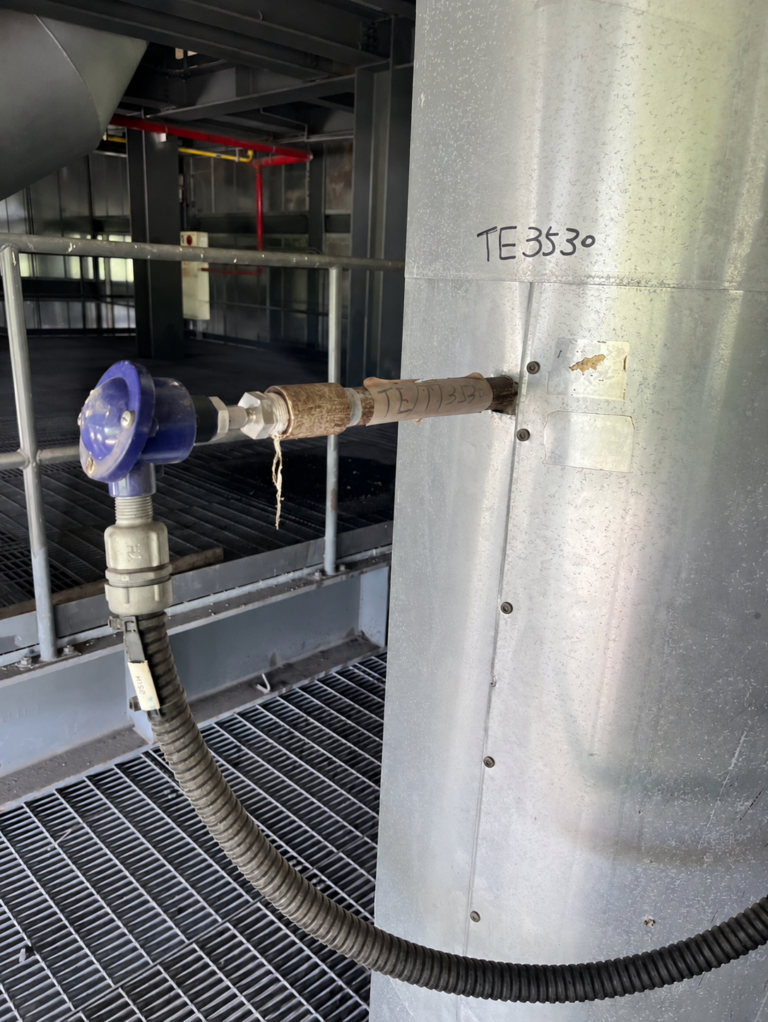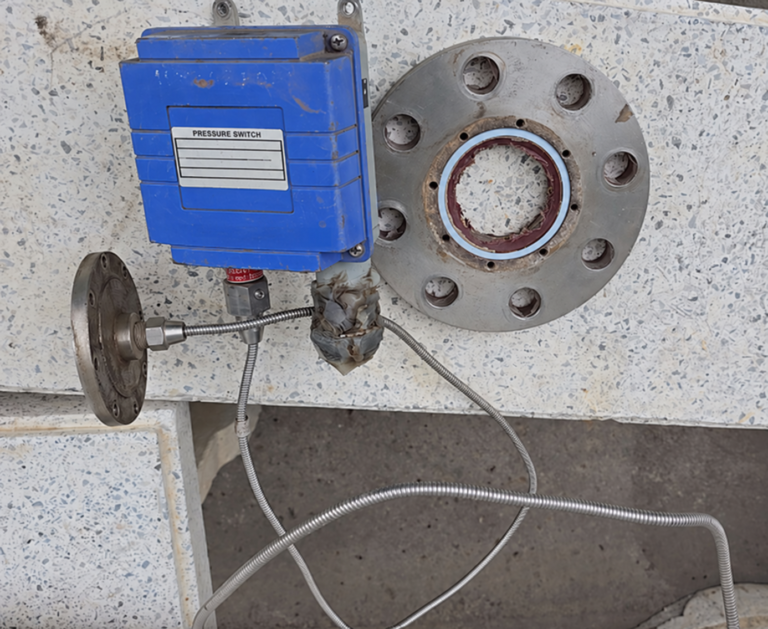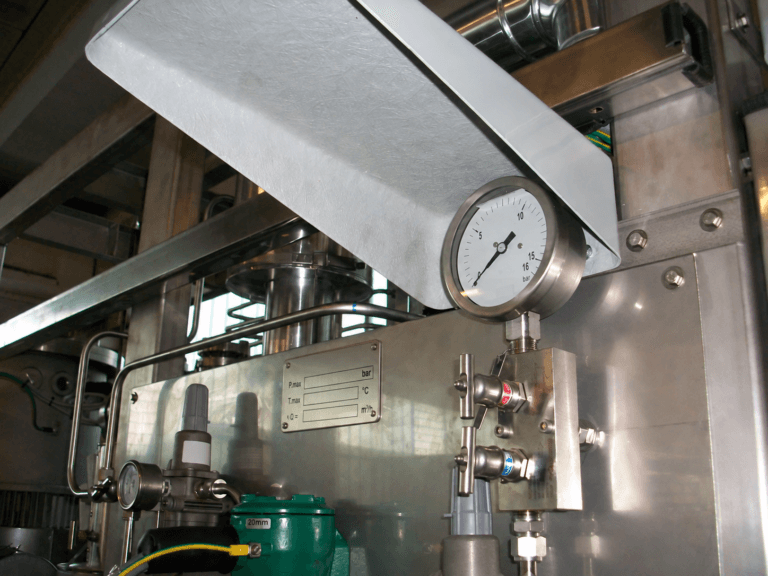


A pressure gauge and a pipe fitting may both be marked “1/4 inch,” but that does not mean they can be installed together. The designation identifies only the nominal size; you must also confirm the thread standard, such as NPT, G/BSPP, or PT/R.
If the connection engages for only one or two turns, becomes increasingly crooked, or requires unusually high force, stop immediately to avoid permanent thread damage.
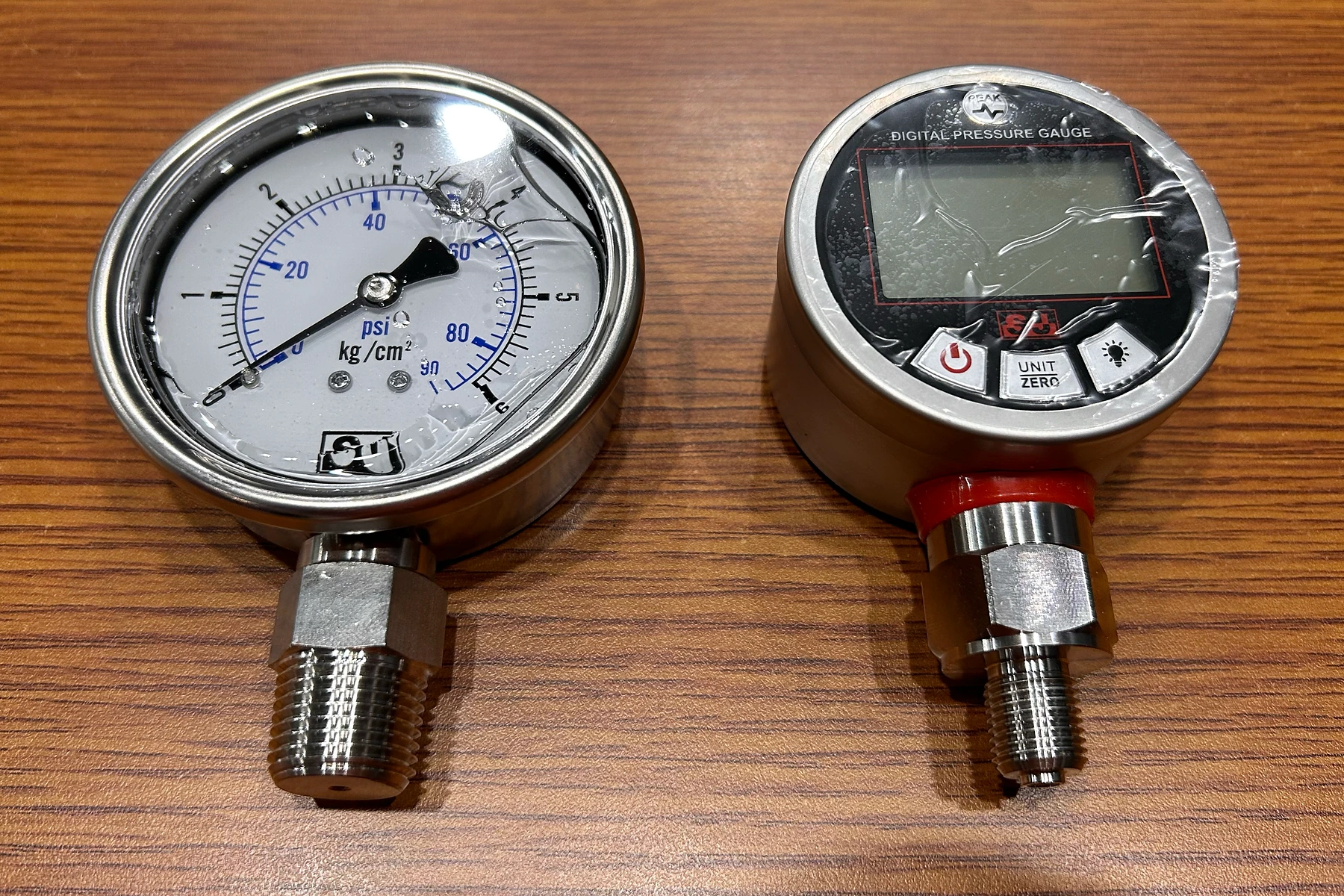
Why Won’t Threads of the Same Size Fit?
Common reasons include:
- One side has a tapered thread while the other has a parallel thread
- The thread pitch or thread form is different
- The male and female thread tolerances are incompatible
- The fitting entrance is dented or burred
- The connection was not aligned during installation, causing cross-threading
- Old sealant or corrosion remains inside the existing thread
A pipe thread’s nominal size is also not the same as its directly measured outside diameter, so you cannot simply measure the outside diameter and compare it with “1/4 inch.”
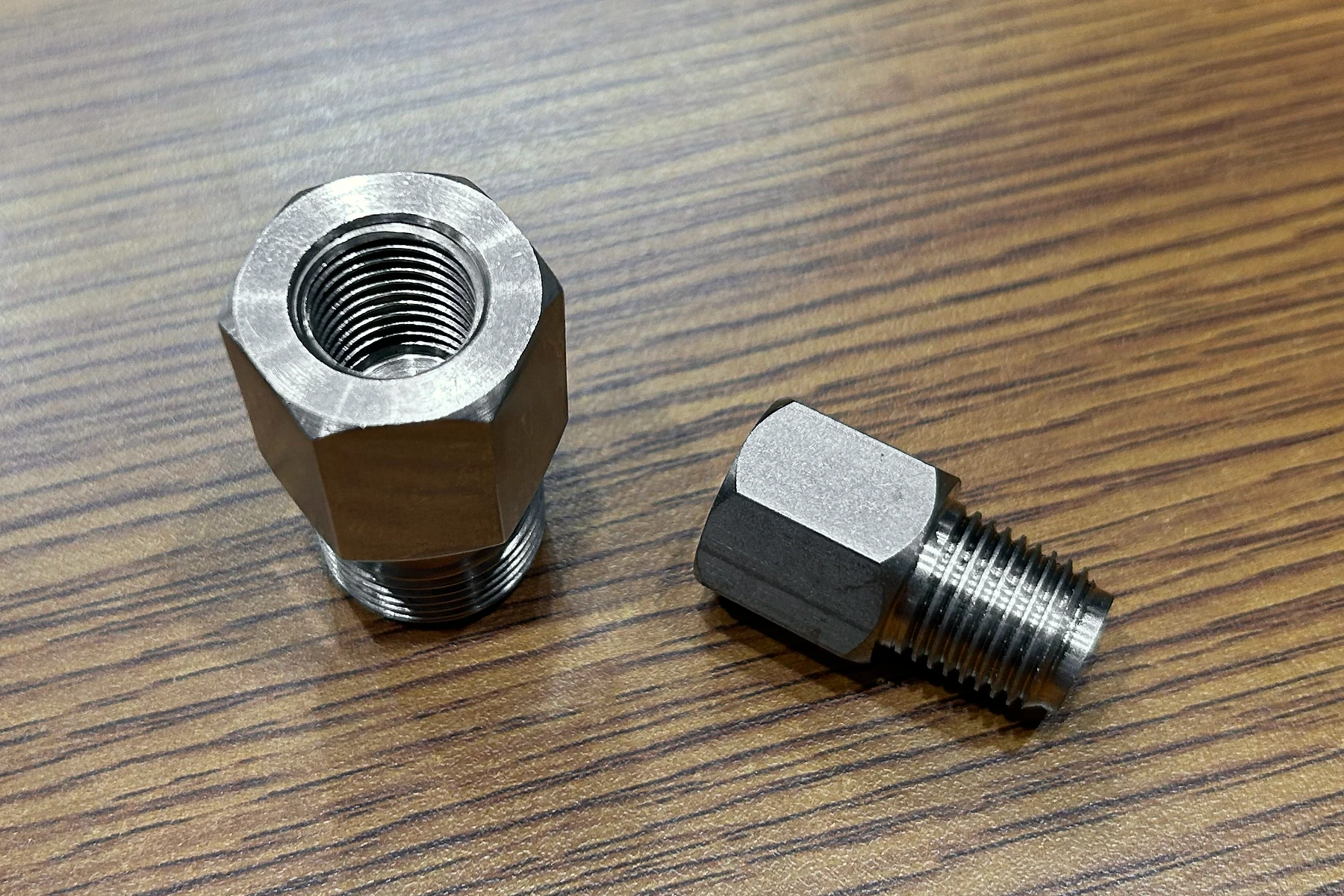
What Happens If You Force the Connection?
Forcing incompatible thread standards together may cause:
- Thread deformation or fracture.
- Galling or seizure of stainless-steel threads.
- A connection that cannot be removed.
- Gas or liquid leakage after pressurization.
- Abnormal torque applied to the pressure gauge connection.
Even if there is no immediate leakage, this does not mean the connection is safe for long-term use.
How to Identify the Correct Thread
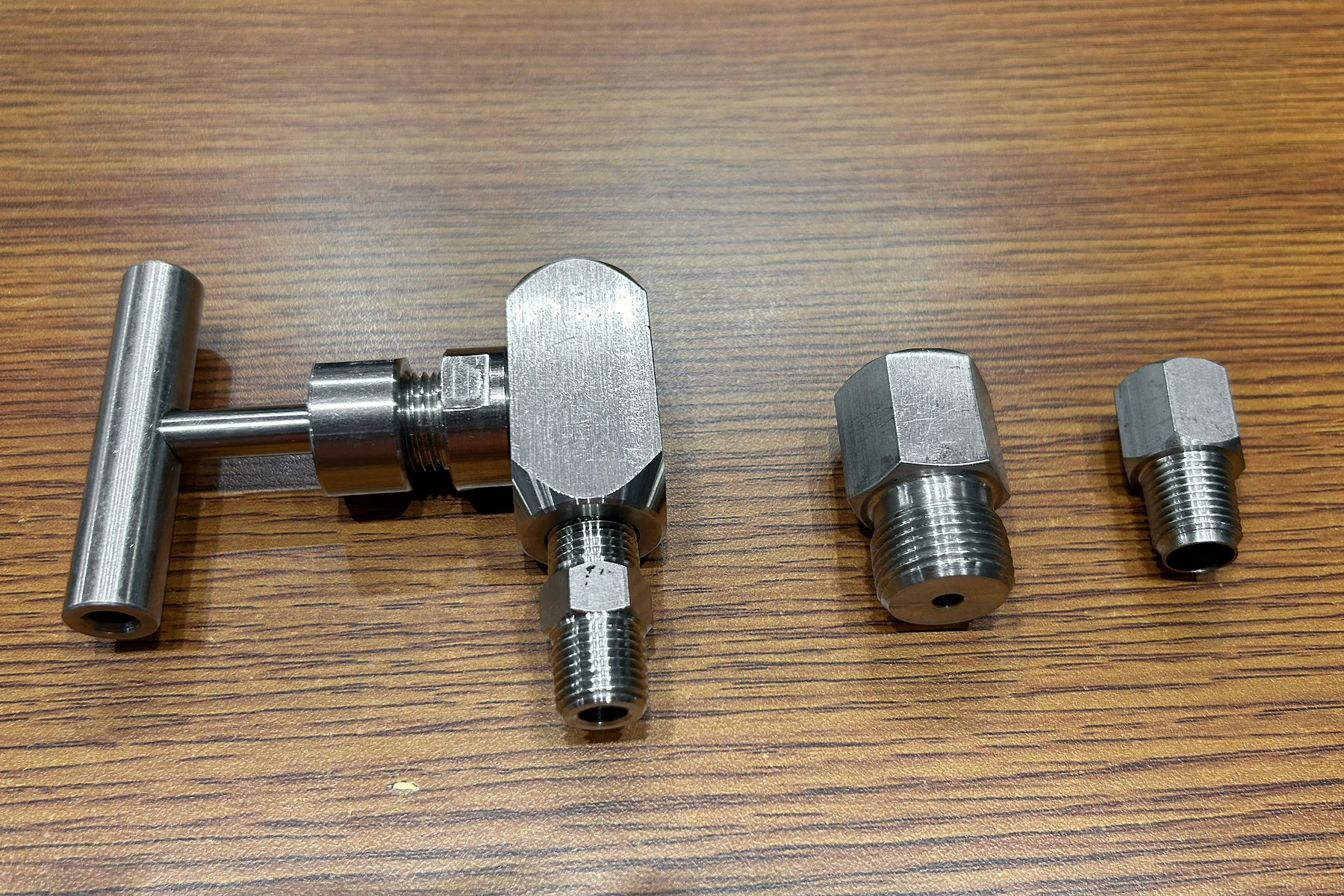
First check the specification markings on the old pressure gauge, equipment drawing, or fitting. If no marking is available, measure the outside diameter, pitch, and taper, and confirm the result with a thread gauge.
If the equipment cannot be shut down, check purchasing records, the old product model, and the original piping drawing first. Never remove a connection for measurement while the system is pressurized.
International Standards Reference
The following standards may be used as references for selection, installation, or verification related to this topic:
- ASME B1.20.1-2013 (R2018): The nominal size, outside diameter, pitch, and taper of NPT threads must be checked against the standard; the “1/4-inch” designation alone is not sufficient.
- ISO 7-1:1994 + Cor.1:2007: R-series tapered pipe threads cannot be treated as the same thread form as NPT, even when the nominal size is identical.
- ISO 228-1:2000: G parallel threads require verification of the thread dimensions and the external sealing face; compatibility cannot be determined simply by whether the threads can be screwed together.
Standards note: Confirm the applicable scope, edition, and certification documents according to the equipment location, process risk, and purchasing specification. Referencing a standard does not automatically certify a product, nor does it replace the manufacturer’s confirmation of the connection type.
Frequently Asked Questions
Can More Thread-Sealing Tape Fix an Incompatible Thread?
No. Thread-sealing tape can only help seal compatible threads. It cannot correct differences in pitch, thread form, or taper.
Can a Fitting Still Be Used After It Has Been Forced Together?
First inspect the threads for deformation, scratches, or galling. A damaged fitting should not be reused directly on critical pressure equipment.
Conclusion
Threads with the same 1/4-inch nominal size may still be impossible to install because they follow different standards. If you encounter unusual resistance, do not force the connection. Confirm the thread standard, pitch, taper, and sealing method first.
Further Reading: Pressure Gauge NPT vs PT vs G Threads: Differences and Sealing Methods