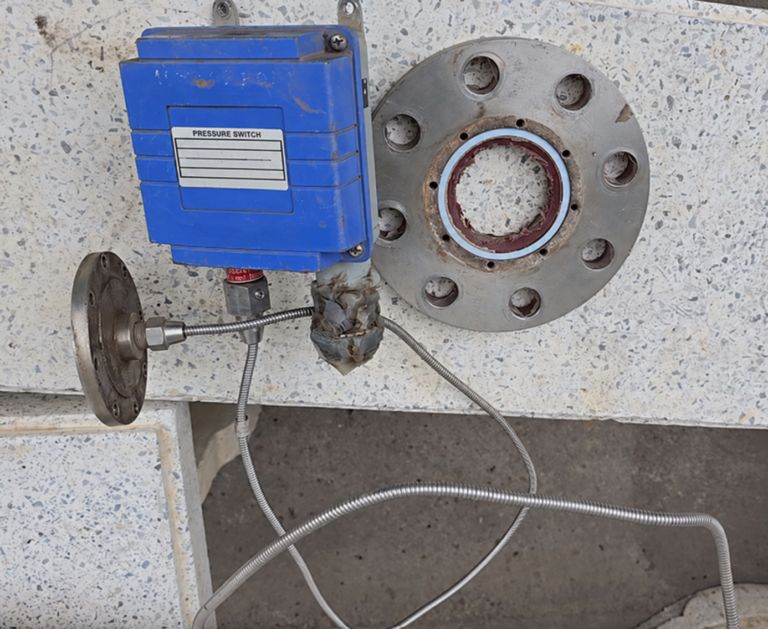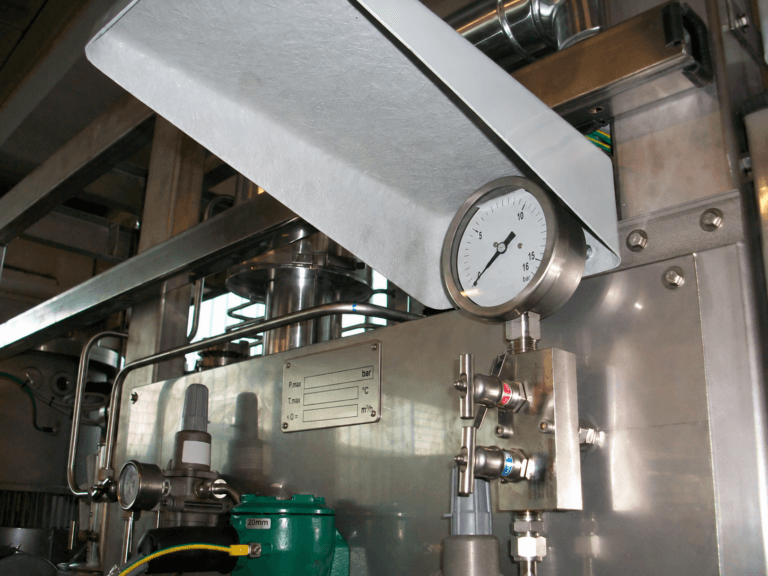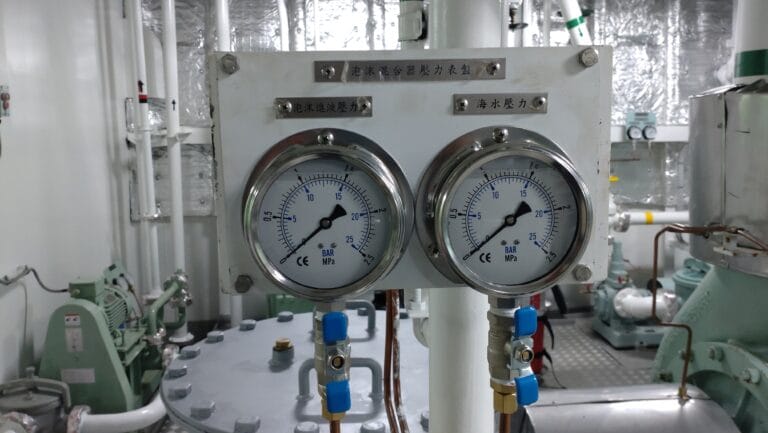









In this article, a diaphragm seal means the device installed between a pressure gauge and the process medium. If the process connection does not match, the assembly may not fit. Forcing the installation with adapters can also create leaks, dead legs, or inadequate pressure integrity.
Do not specify only a “1/4-inch thread” or a “2-inch flange” when requesting a quotation. The complete connection standard must be confirmed.
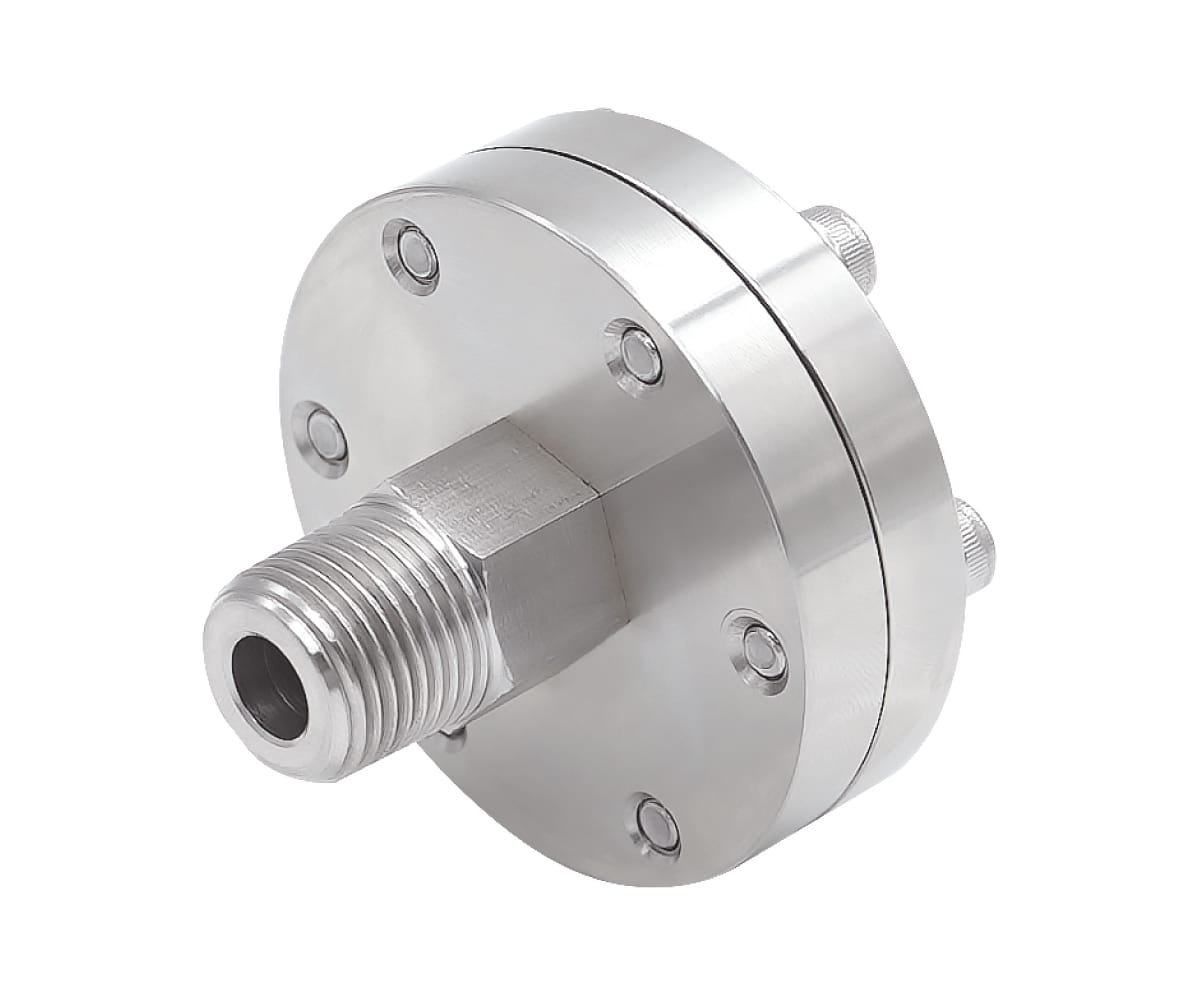
What Must Be Confirmed for a Threaded Connection?
- Thread standard: NPT, G/BSPP, R/BSPT, or another applicable standard
- Male or female connection
- Nominal size and thread pitch
- Sealing point and sealing material
- Connection material and pressure rating
Threads with similar diameters are not necessarily compatible. Never force them together or try to compensate for a mismatch with excessive thread seal tape.
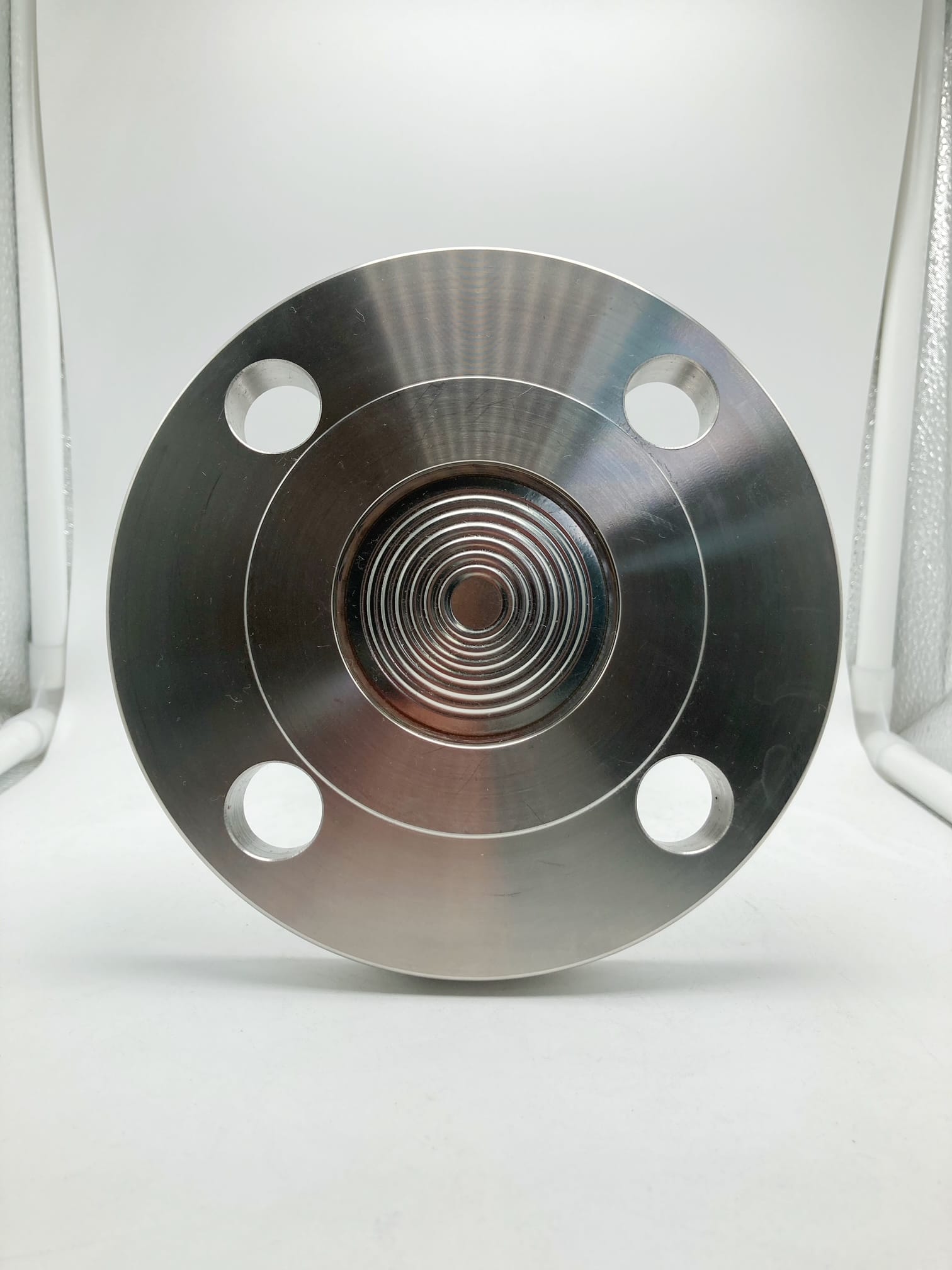
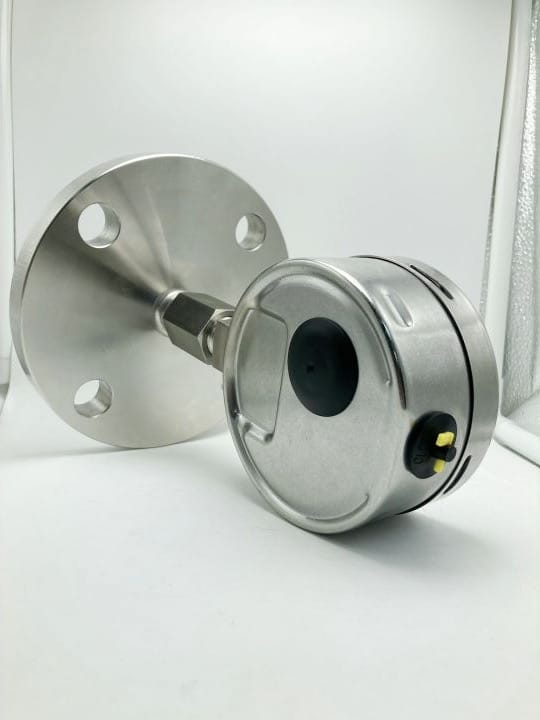
What Must Be Confirmed for a Flanged Connection?
In addition to the nominal flange size, confirm the following:
- Applicable flange standard, such as ASME/ANSI, EN, or JIS
- Pressure class or rating
- Flange facing type
- Number of bolt holes and bolt-circle dimensions
- Gasket material
- Whether the diaphragm must be flush with the sealing face
Two flanges with the same nominal size may still be incompatible if their pressure rating, bolt pattern, or facing type differs.
Can Sanitary Connections on Food-Processing Equipment Be Adapted?
Sanitary connections must be checked for size, gasket material, surface finish, and cleanability. Adding a general-purpose threaded adapter only to fit the pipework can compromise the original hygienic design and create product-retention areas.
Can Multiple Adapters Be Used in Series?
It is not recommended. Every additional joint creates another potential leak point and another area where process media can accumulate. Stacked adapters may also expose the diaphragm seal to additional weight, vibration, and bending loads.
Relevant International Standards
The following standards can support connection selection, installation, and verification for this application:
- ASME B40.100-2022: Covers pressure gauges and gauge attachments, including diaphragm seals, and provides terminology, construction, installation, testing, and general recommendations.
- ASME B31.3-2024: Provides requirements for process piping design, materials, components, fabrication, assembly, examination, and testing. The piping system specification must be checked when selecting connections and flanges.
- ASME BPE-2026: Applies to new fluid-processing equipment for industries that require defined levels of purity and bioburden control. Hygienic connections for food, pharmaceutical, and bioprocess applications require separate verification and should not be treated as ordinary adapters.
Standards note: Confirm the applicable scope, edition, and certification documents for the equipment location, process risk, and procurement specification. Referencing a standard does not mean that a product is automatically certified, and it does not replace the manufacturer’s configuration review.
Frequently Asked Questions
Can an old product photo confirm the connection specification?
A photo can support an initial assessment, but the flange standard, thread pitch, pressure rating, and facing type should still be confirmed from the model number, drawing, or physical measurement.
If the connection can be installed, does that mean it is suitable for service?
No. Pressure, temperature, materials, gasket selection, and compatibility with the process medium must also be verified.
Conclusion
A diaphragm seal connection cannot be selected by nominal size alone. The thread standard, male or female form, flange pressure rating, facing type, bolt pattern, and gasket must all be compatible.
Send SJ Gauge the process connection details, medium, pressure, temperature, and any available drawings or photos. Our team can help confirm a suitable diaphragm seal connection. Contact SJ Gauge.
(Further Reading: Pressure Gauge NPT vs PT vs G Threads: Differences and Sealing Methods)