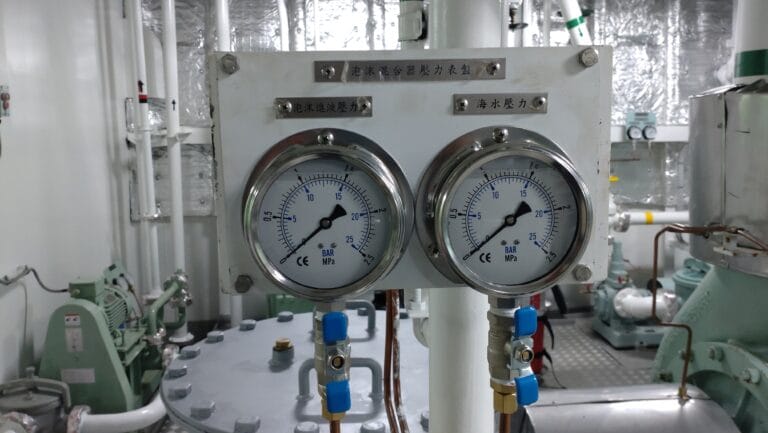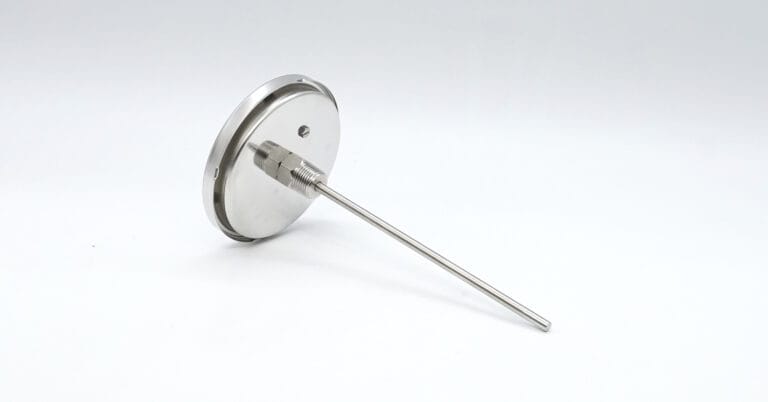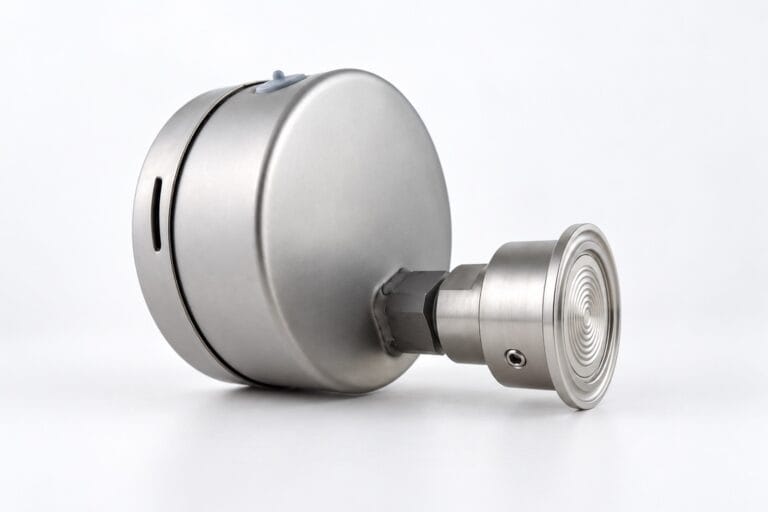









A pressure gauge leaking gas or liquid after installation does not necessarily have a faulty measuring element. Incompatible threads, an incorrect sealing method, a damaged gasket or improper tightening can all cause leakage at the process connection. Adding more sealing tape or tightening harder may hide the problem without correcting it.
Before touching or loosening a connection, stop pressurization, isolate the pressure source and follow the equipment procedure for safe depressurization, draining and cooling. Do not tighten a leaking connection under pressure. Closing an isolation valve can leave pressure trapped at the gauge; a zero dial reading alone is not proof that the connection is safe to open.
1. Confirm That the Thread Standards Match
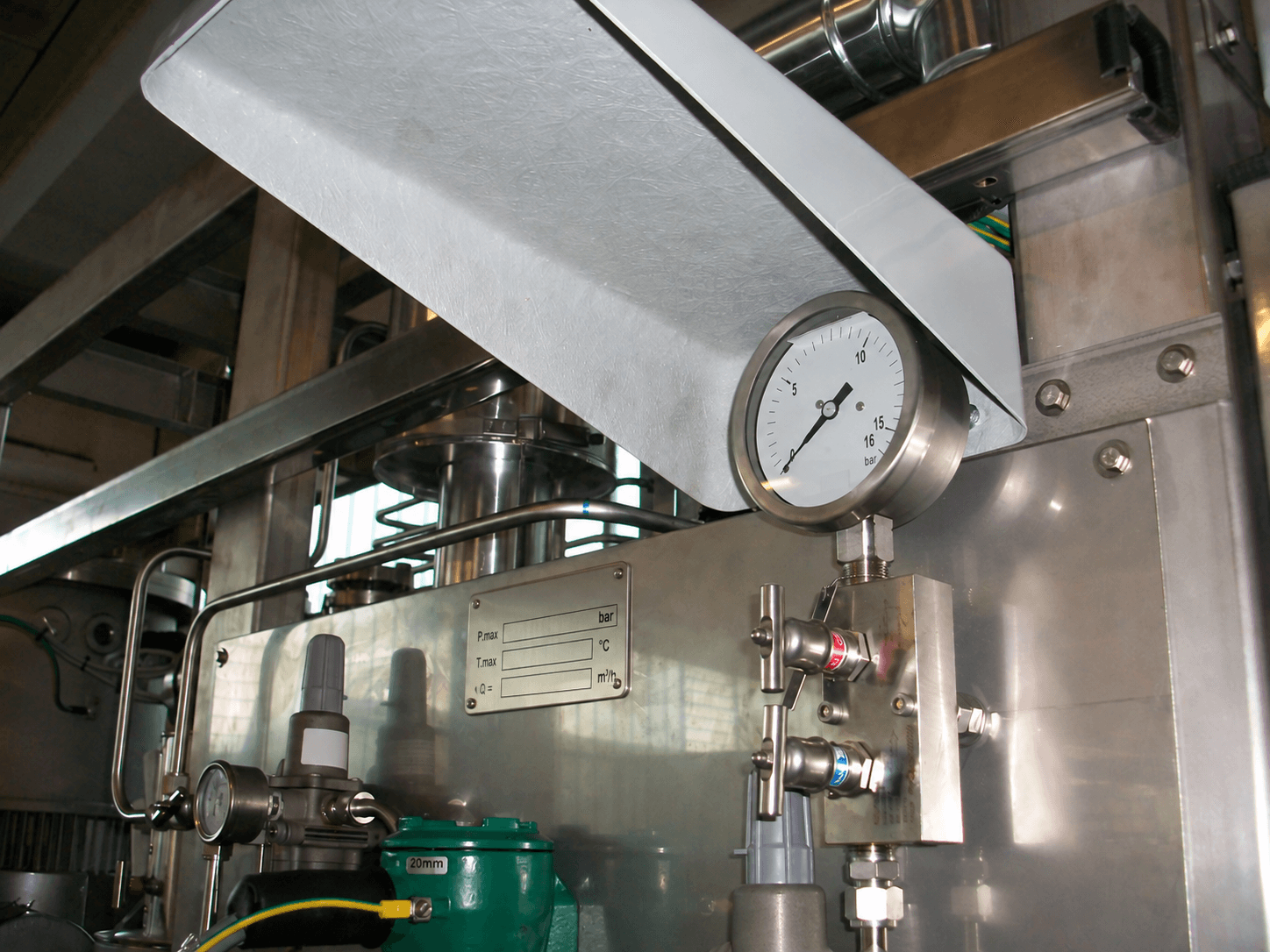
Check the complete connection specification on both the gauge and the mating fitting: thread standard, nominal size and male or female form. NPT, R/Rc/Rp and G/BSPP are not interchangeable simply because their nominal inch size looks the same. A few engaged turns do not establish a compatible or pressure-tight joint.
Look for cross-threading, flattened thread crests and other damage after the system has been made safe. Replace damaged components rather than trying to fill the defects with extra tape. For a replacement instrument such as the PRSS stainless steel pressure gauge, confirm the ordered connection option against the existing fitting instead of selecting by dial size alone.
2. Identify Where the Connection Should Seal
NPT tapered connections normally use a suitable thread sealant or tape as specified by the manufacturer. ISO 7-1 connections use R external tapered threads with Rc internal tapered or Rp internal parallel threads, with pressure-tightness made on the threads. Use the specified mating combination and sealing material.
G/BSPP parallel threads under ISO 228-1 do not provide the pressure seal on the threads. The seal is formed elsewhere, for example by a gasket, O-ring or sealing face designed into the connection. Wrapping G threads with tape cannot substitute for a missing end seal. In particular, Rp and G are both parallel internal thread forms, but their sealing systems must not be treated as identical.
3. Inspect the Gasket and Sealing Faces
For a connection that seals at a gasket or O-ring, check that the seal is present, correctly sized and seated as designed. A missing, flattened, hardened or damaged seal can leak even when the thread feels fully tightened. Dirt, burrs and scratches on the sealing faces can also prevent proper contact.
Choose the seal material for the process medium, pressure and temperature, and replace it according to the maintenance instructions. Do not stack extra gaskets or reuse a visibly damaged seal to compensate for an unsuitable connection.
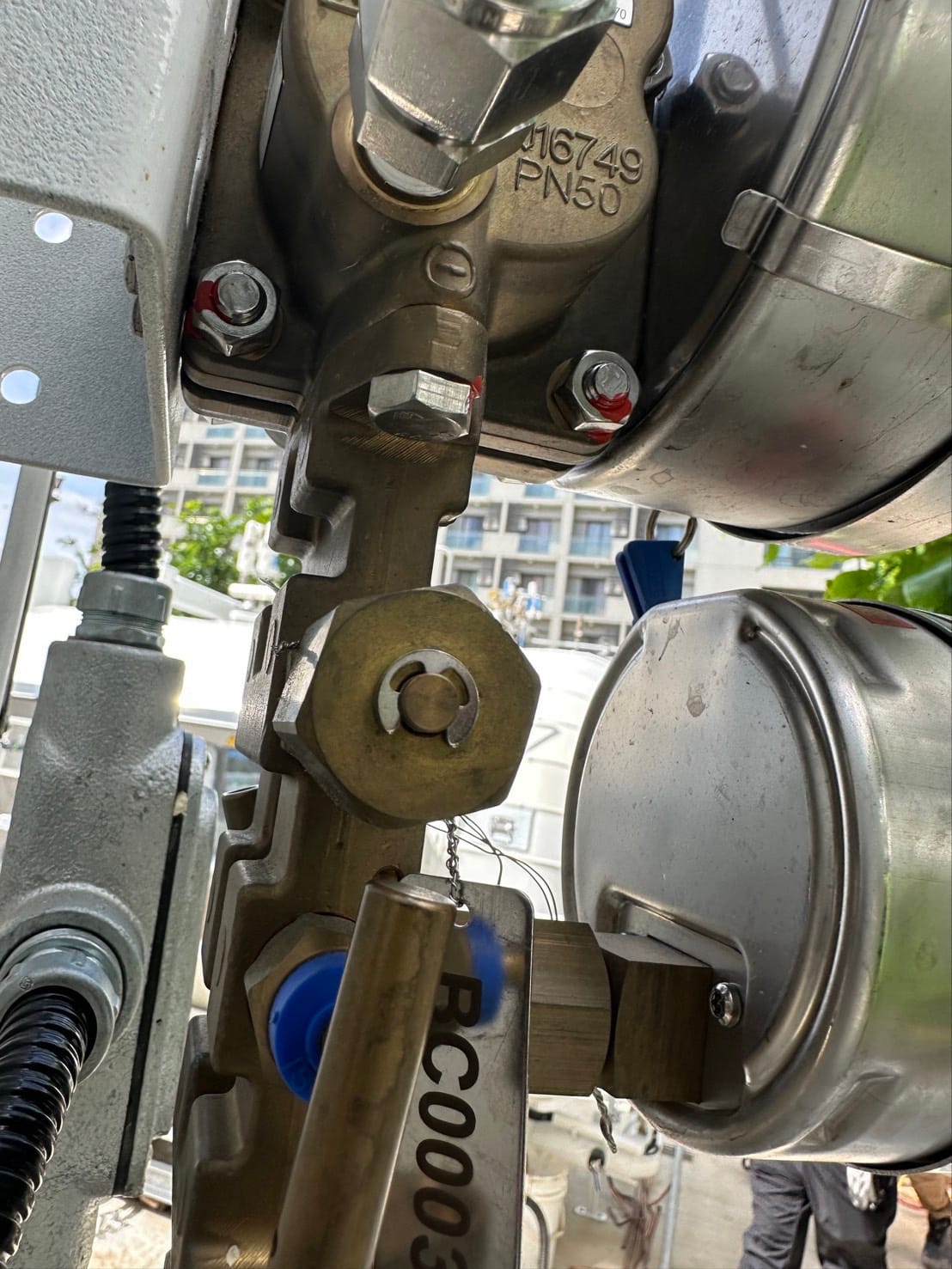
4. Check the Tape or Thread Sealant
Where thread sealing is required, follow the fitting and sealant manufacturers’ application instructions. Incorrect wrapping direction or too little material may leave a leak path; excessive material can interfere with engagement or enter the pressure port. There is no single tape thickness or number of wraps that suits every thread and service condition.
Do not assume ordinary plumbing sealants are suitable for oxygen, food-processing or chemical service. Check the required media compatibility, cleanliness and approvals, as well as temperature and pressure limits. Remove old sealing residue during authorized maintenance without allowing debris to enter the instrument.
5. Check Tightening and Recommissioning
Use the designated wrench flats on the process connection; do not turn the gauge case as a lever. Insufficient tightening can leave the joint unsealed, while excessive force can damage threads, seals or the socket. Use the manufacturer’s specified torque or assembly procedure for the actual connection materials and design.
After correcting the fault, carry out the equipment’s approved leak test and controlled return-to-service procedure. If leakage recurs, stop and reassess the connection rather than repeatedly adding torque. Where maintenance isolation is needed, review a suitable accessory such as the PRA-BV pressure gauge cock; its connection and service limits must match the system, and isolation still does not remove trapped pressure.
International Standards to Check
- ASME B1.20.1-2013 (R2018): dimensions and gauging for general-purpose inch pipe threads, including NPT. Useful when checking the specified thread form and size.
- ISO 7-1:1994, with Cor.1:2007: pipe threads for joints made pressure-tight on the threads, including the R, Rc and Rp system.
- ISO 228-1:2000: pipe threads where pressure-tight joints are not made on the threads. For G connections, check the separate sealing arrangement.
These references help identify the connection system; citing them does not certify a product or replace the equipment manufacturer’s installation and leak-test instructions. Confirm the applicable edition and requirements against the project specification.
Frequently Asked Questions
Can I stop a leak by tightening another half turn?
Do not retighten under pressure. First make the system safe, then check thread compatibility, the sealing method and component condition. Extra force may damage the connection; any further tightening must follow the manufacturer’s procedure.
Can the old gasket be reused?
Follow the seal manufacturer’s maintenance requirements. Do not directly reuse a gasket that is permanently compressed, hardened, cracked or scratched. A replacement must have the correct dimensions and material, not merely a similar appearance.
Does visible oil always mean the process connection is leaking?
Not always. On a liquid-filled gauge, fluid may come from the case fill, while process medium may escape at a process connection or another damaged part. Have the source identified safely before choosing a repair; the appearance of the liquid alone does not establish the fault.
Correct the Cause Before Returning to Service
For a pressure gauge connection leak, work through five checks: matching threads, sealing location, gasket condition, sealing material and tightening. Record the gauge model, connection specification, medium, pressure, temperature and clear photographs of the connection before requesting selection or maintenance support.
Discuss gauge and connection selection
Related reading: Pressure Gauge NPT vs PT vs G Threads: Differences and Sealing Methods