





SJ Gauge
Thermometer Insertion Depth: How Long Should the Stem Be?
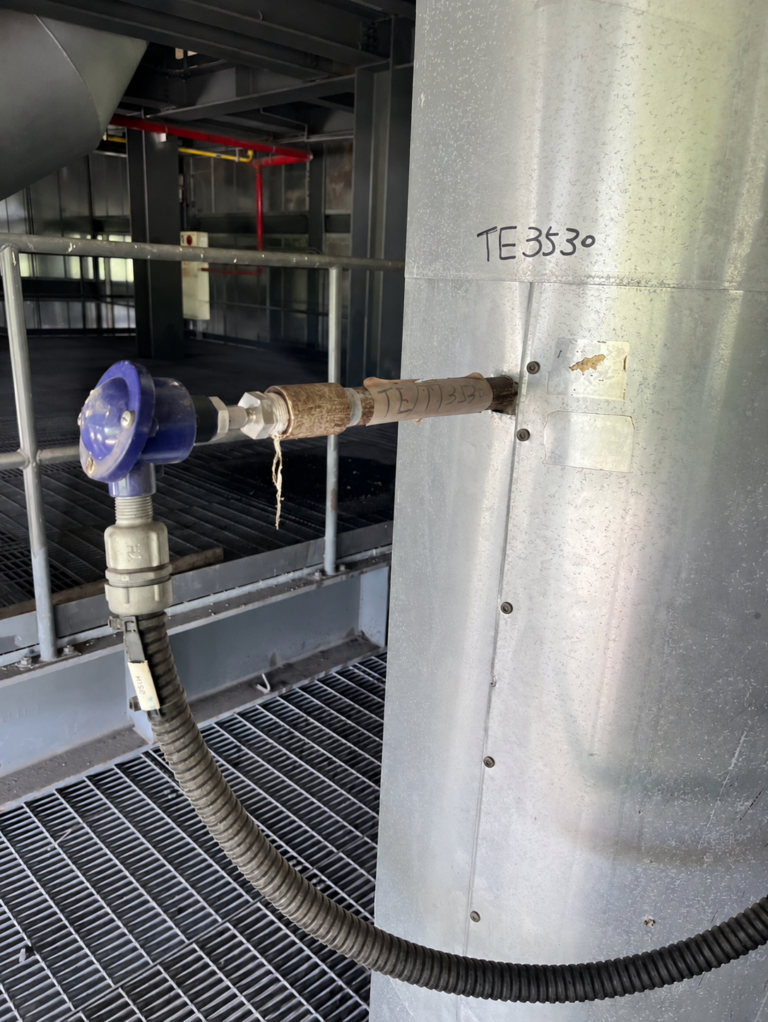
How deep should an industrial thermometer stem be inserted? There is no single length that works for every pipe or vessel. The active sensing section must reach a representative part of the medium, while the stem or thermowell must withstand…
Diaphragm Seal Material Selection: Is 316L Always Suitable?
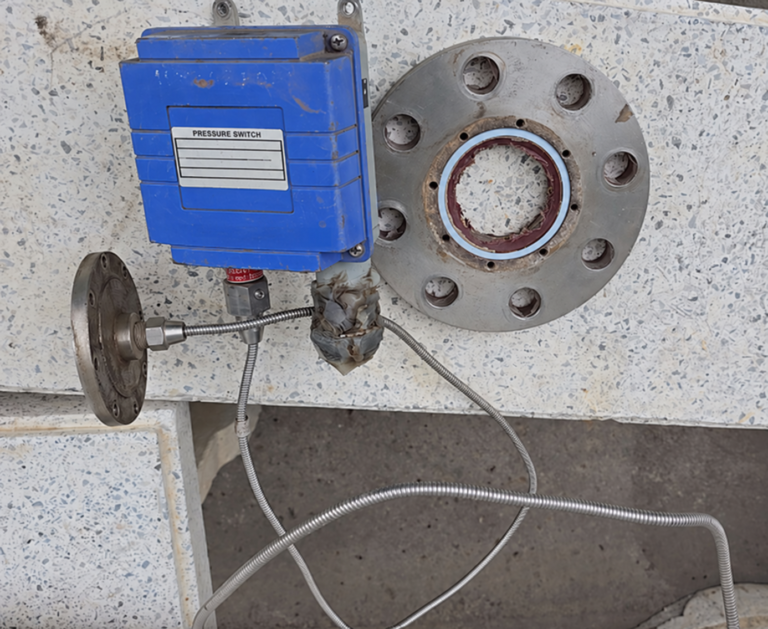
Choosing a diaphragm seal material starts with the process fluid, not simply the word “stainless.” The diaphragm and other wetted parts must withstand the medium throughout normal operation, temperature excursions and cleaning. A mismatch can lead to pitting, thinning, cracks…
Pressure Gauge Leaking After Installation? 5 Connection Checks
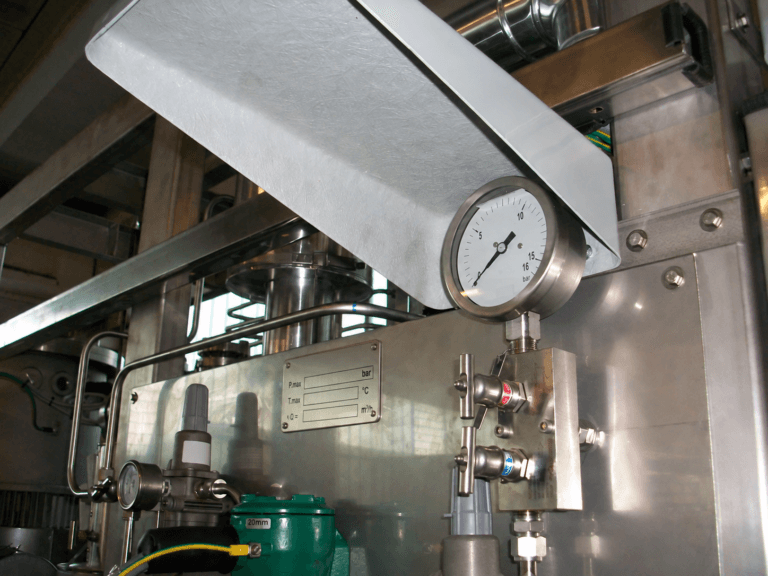
A pressure gauge leaking gas or liquid after installation does not necessarily have a faulty measuring element. Incompatible threads, an incorrect sealing method, a damaged gasket or improper tightening can all cause leakage at the process connection. Adding more sealing…
Pressure Gauge Fogging Up? Can Liquid-Filled Gauges Help?
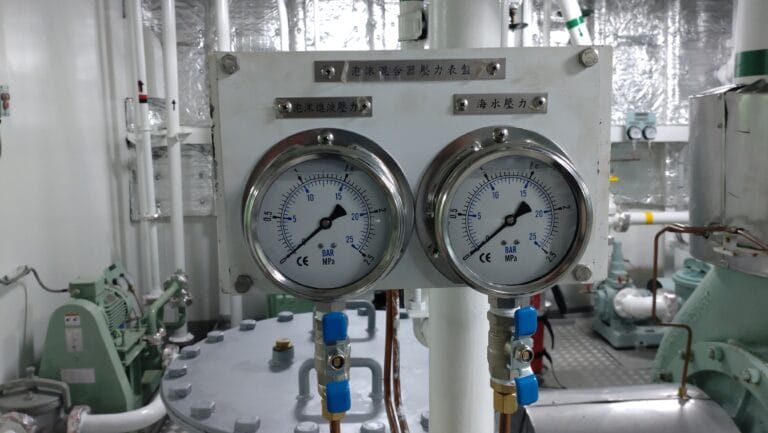
When a pressure gauge fogs up, first identify whether the moisture is outside or inside the window. External condensation can usually be checked by wiping the surface. If droplets or fog remain inside, investigate moisture in the case, seal condition…
Why Is Your Industrial Thermometer Slow to Respond? 5 Causes and Solutions
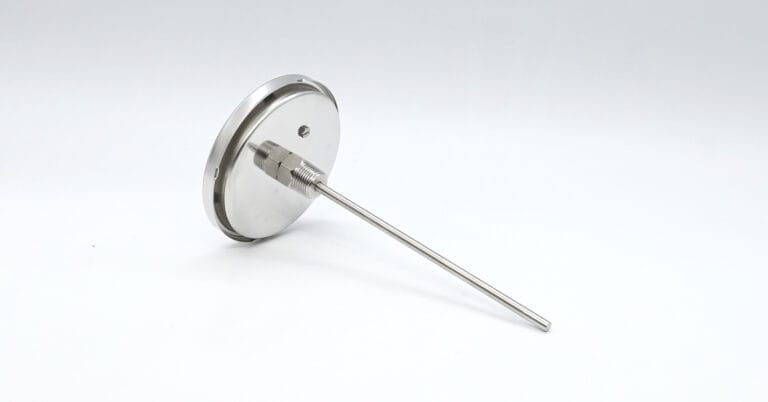
When equipment heats up, the thermometer pointer may take time to follow. During cooling, the reading may also remain high for a while. This does not necessarily indicate a fault: heat takes time to pass from the medium to the…
Diaphragm Seal Leaking After Installation? Locate the Leak First
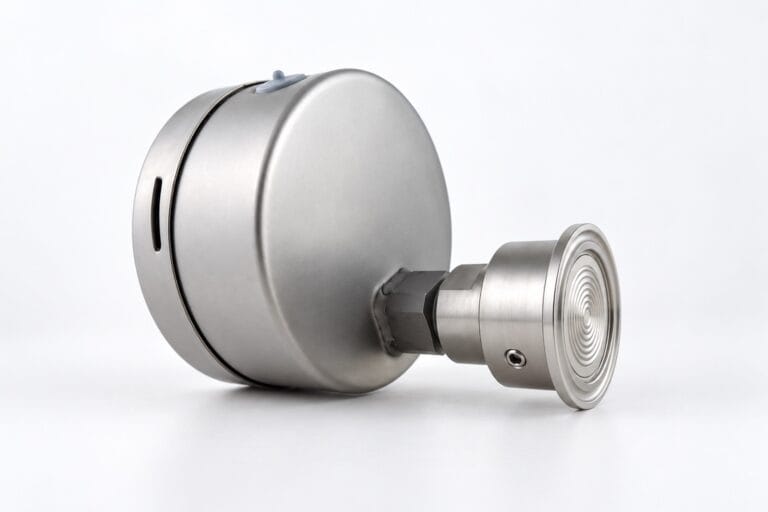
A leak after installation can make it tempting to tighten the connection immediately. If a pressure gauge diaphragm seal is leaking, however, the first step is to stop pressurization, isolate the process, and confirm that conditions are safe. Do not…
Same 1/4-Inch Thread—Why Won’t the Pressure Gauge Fit?
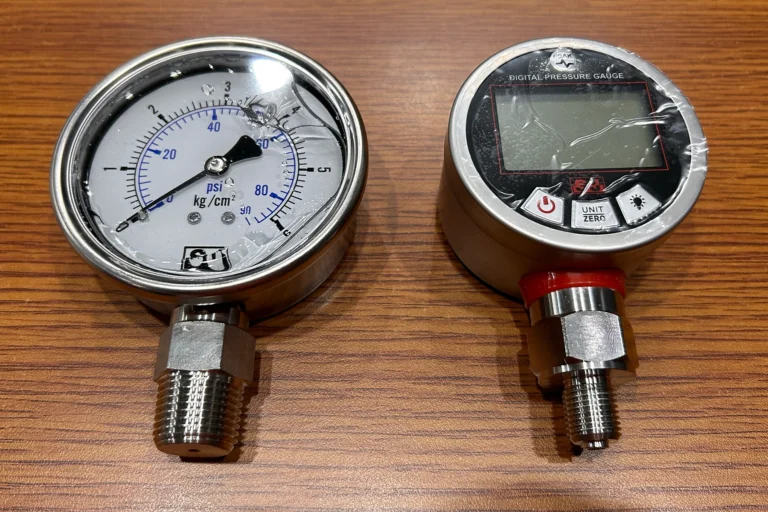
A pressure gauge and a pipe fitting may both be marked “1/4 inch,” but that does not mean they can be installed together. The designation identifies only the nominal size; you must also confirm the thread standard, such as NPT,…
Why Do Pressure Gauges Fail So Often? Vibration May Be Shortening Their Service Life
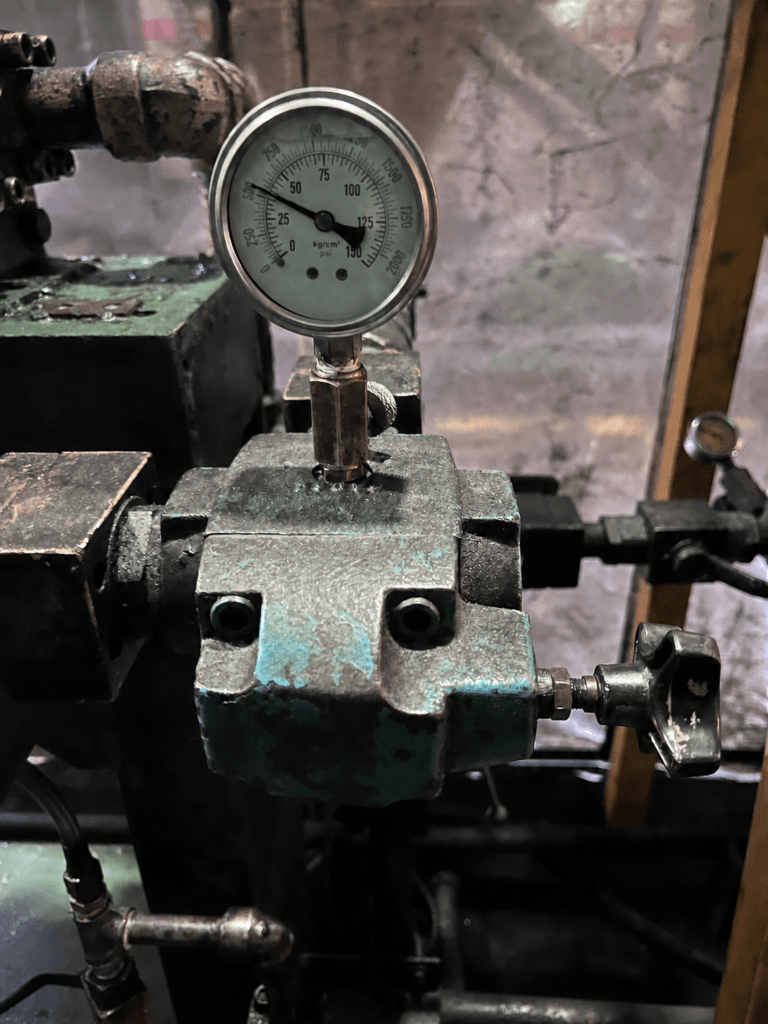
Pressure gauges may fail from vibration, pulsation, overpressure, or poor range selection. Learn when a liquid-filled gauge can reduce wear.
Industrial Thermometer Reading Inaccurate? Check Insertion Depth and Installation Position
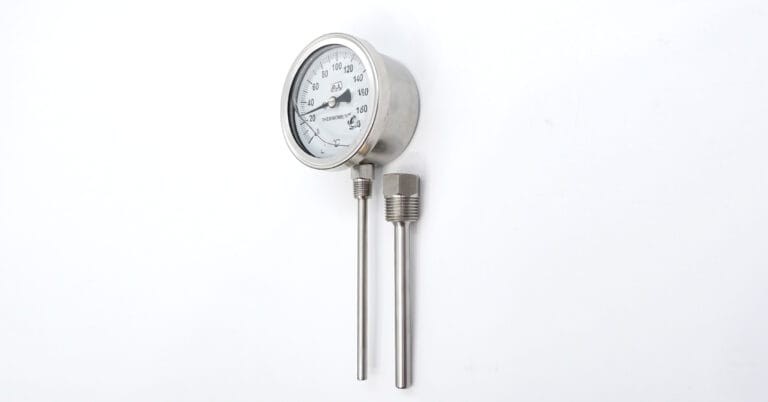
Industrial thermometer readings can vary because of insertion depth, installation position, response time, thermowell effects, or calibration drift.
Diaphragm Seal Connection Mismatch: Thread & Flange Guide
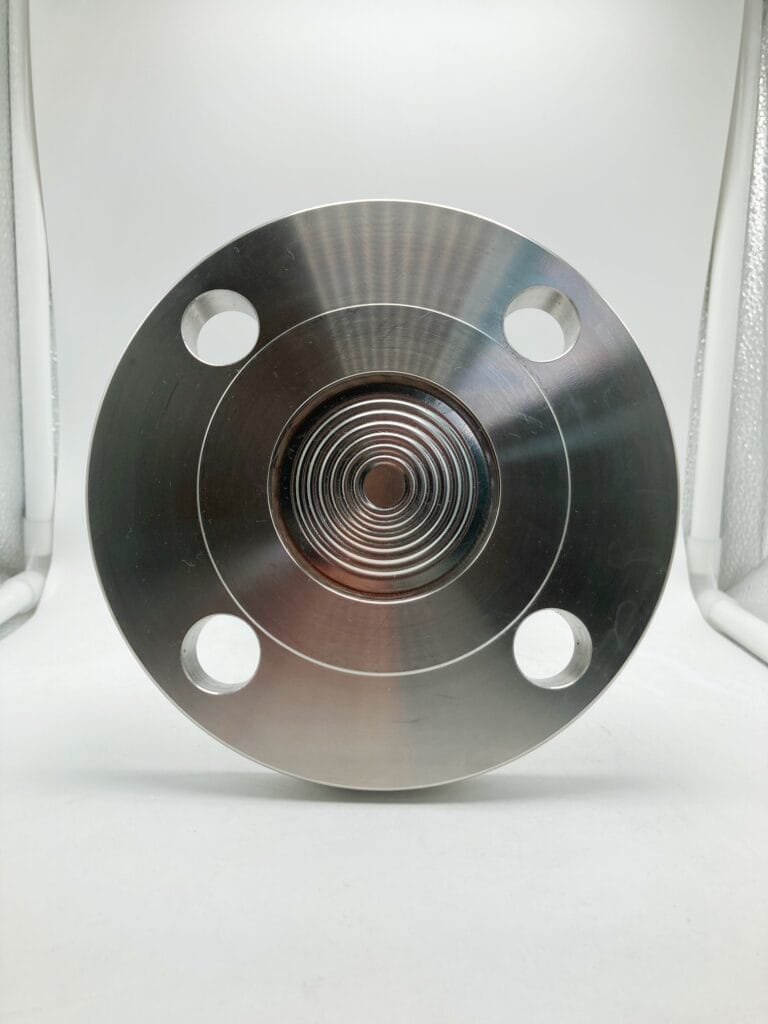
In this article, a diaphragm seal means the device installed between a pressure gauge and the process medium. If the process connection does not match, the assembly may not fit. Forcing the installation with adapters can also create leaks, dead…