








A leak after installation can make it tempting to tighten the connection immediately. If a pressure gauge diaphragm seal is leaking, however, the first step is to stop pressurization, isolate the process, and confirm that conditions are safe. Do not apply additional tightening force while the system is pressurized.
To work out what to do next, start by locating the leak. It may occur at the process connection or originate from the diaphragm, a weld, or the sealed fill assembly. These situations require different corrective actions, so identifying the affected area helps you decide where to begin the inspection.
Why Does the Process Connection Leak?
When liquid appears around the process connection, it is worth looking beyond how tightly the connection was assembled. The connection specifications, gasket, sealing face, and piping arrangement all provide useful points to check. Common causes include:
- Incompatible thread or flange specifications
- Incorrect gasket dimensions or material
- Scratches, foreign matter, or corrosion on the sealing face
- Uneven flange tightening
- Improper use of thread-sealing materials
- Piping stress pulling on the diaphragm seal connection
This is why tightening a leaking connection another half-turn should not be treated as a quick fix. After safe isolation and depressurization, check the items above to understand what is causing the leak before deciding how to correct it.
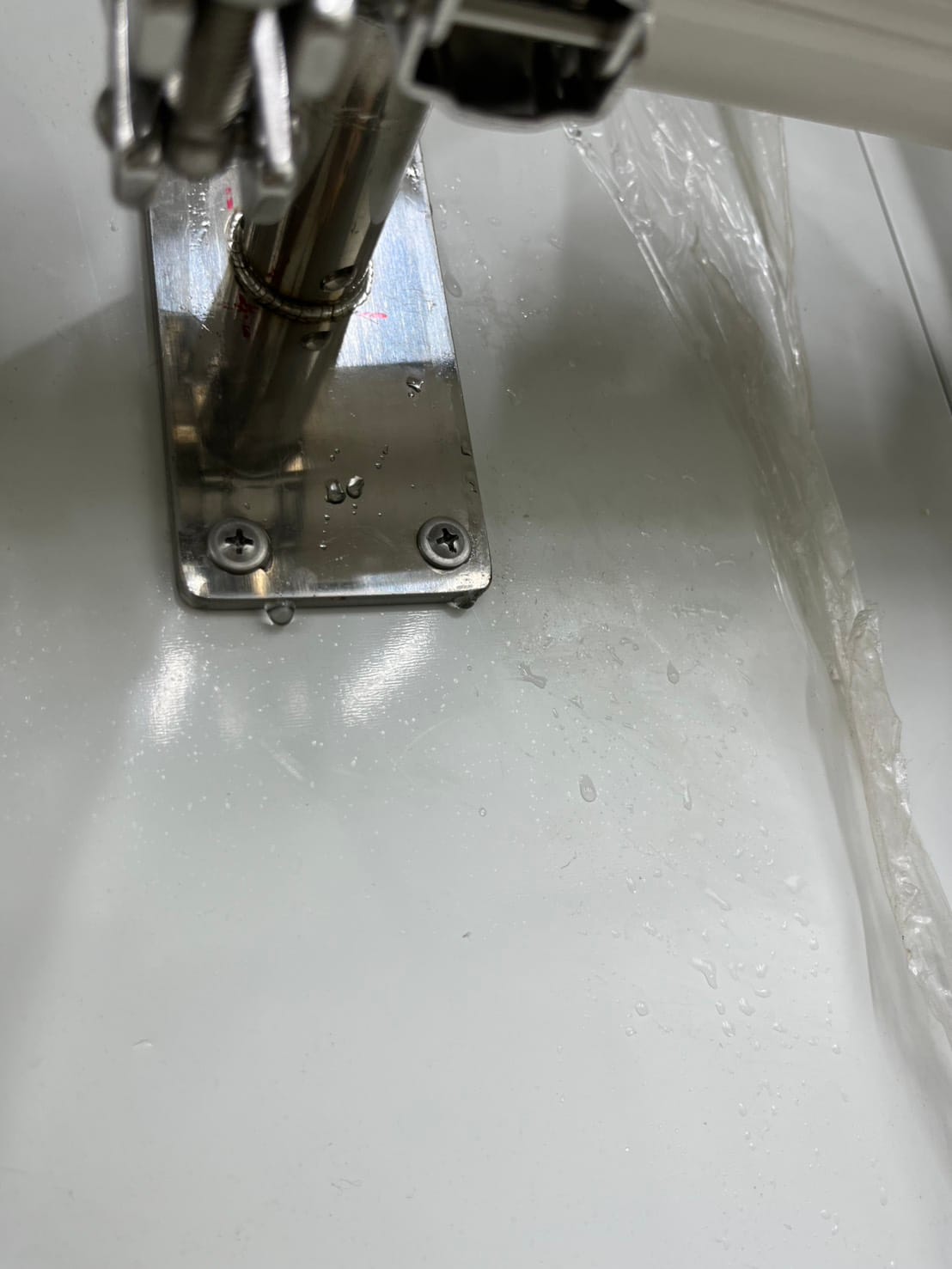
How Can You Tell Process Fluid from Fill Fluid?
The liquid itself can offer clues, but appearance alone is not enough to identify it. Consider its color and odor, the leak location, and the process conditions together. If the diaphragm or a weld is damaged, internal fill fluid may escape and process media may enter the measuring system.
It also helps to note whether the gauge behavior has changed. If it reads low, responds slowly, or does not respond at all while a leak is present, these additional signs make shutdown and inspection even more important.
Can a Gasket Be Reused?
When a connection is opened for inspection, reusing the existing gasket may seem convenient. However, a gasket that has been compressed, hardened, scratched, or affected by process chemicals is not recommended for reuse. When fitting a new gasket, check that it is suitable for the medium, temperature, pressure, and sealing-face type.
Can the Diaphragm Be Weld-Repaired on Site?
If the leak is traced to the diaphragm, do not attempt a weld repair yourself. Stopping the visible leak is only one part of the issue: diaphragm thickness, weld quality, fill fluid, and calibration all affect measurement results. Repairs should therefore be handled by the original manufacturer or a qualified service provider.
International Standards Reference
After reviewing the possible leak sources, the next step is to consider the requirements that apply to the installation. The following standards may serve as references for selection, installation, or verification related to this topic:
- ASME B40.100-2022: Diaphragm seals fall within the scope of pressure gauge attachments. After a leak, the diaphragm, fill system, and assembly condition should be inspected.
- ASME B31.3-2024: Process-side connections, gaskets, flanges, and leak testing must be included in the piping system’s assembly and inspection procedures.
- EU Directive 2014/68/EU (PED): For products supplied to the EU, the manufacturer should determine whether the product is classified as a pressure accessory and confirm the applicable conformity assessment procedure based on the product and operating conditions.
Standards note: Confirm the applicable scope, edition, and certification documents according to the equipment location, process risk, and purchasing specifications. Referencing a standard does not automatically certify a product or replace the manufacturer’s confirmation of the product type.
Frequently Asked Questions
Does the Absence of Dripping Mean the Connection Is Fully Sealed?
Not necessarily. A connection that looks dry still needs to be checked according to the equipment procedures. Gases or low-viscosity media may leak only at certain pressures, so visual observation alone should not replace the required leak testing after installation.
Is a Flange Safer the Tighter It Is Tightened?
No. More tightening force does not automatically mean a better seal. Uneven tightening or excessive torque may damage the gasket, sealing face, or diaphragm assembly, so simply tightening further is not a reliable answer to leakage.
Conclusion
When a diaphragm seal leaks, a clear sequence makes the inspection easier to approach: establish safe conditions first, locate the leak, and then check the affected components. Determine whether the problem is at the process connection, sealing face, diaphragm, or fill system. Inspect only after safe isolation, and do not apply additional torque while the system is pressurized.
(Related Products: Diaphragm Seal Series)
Further Reading: What Should You Do If a Diaphragm Seal’s Process Connection Does Not Match?