








Choosing a diaphragm seal material starts with the process fluid, not simply the word “stainless.” The diaphragm and other wetted parts must withstand the medium throughout normal operation, temperature excursions and cleaning. A mismatch can lead to pitting, thinning, cracks and leakage of the system fill fluid.
316L stainless steel suits many industrial applications, but it is not a universal solution for every acid, alkali, chloride-containing fluid or high-temperature chemical process. Start with complete operating data, then confirm the material and construction together.
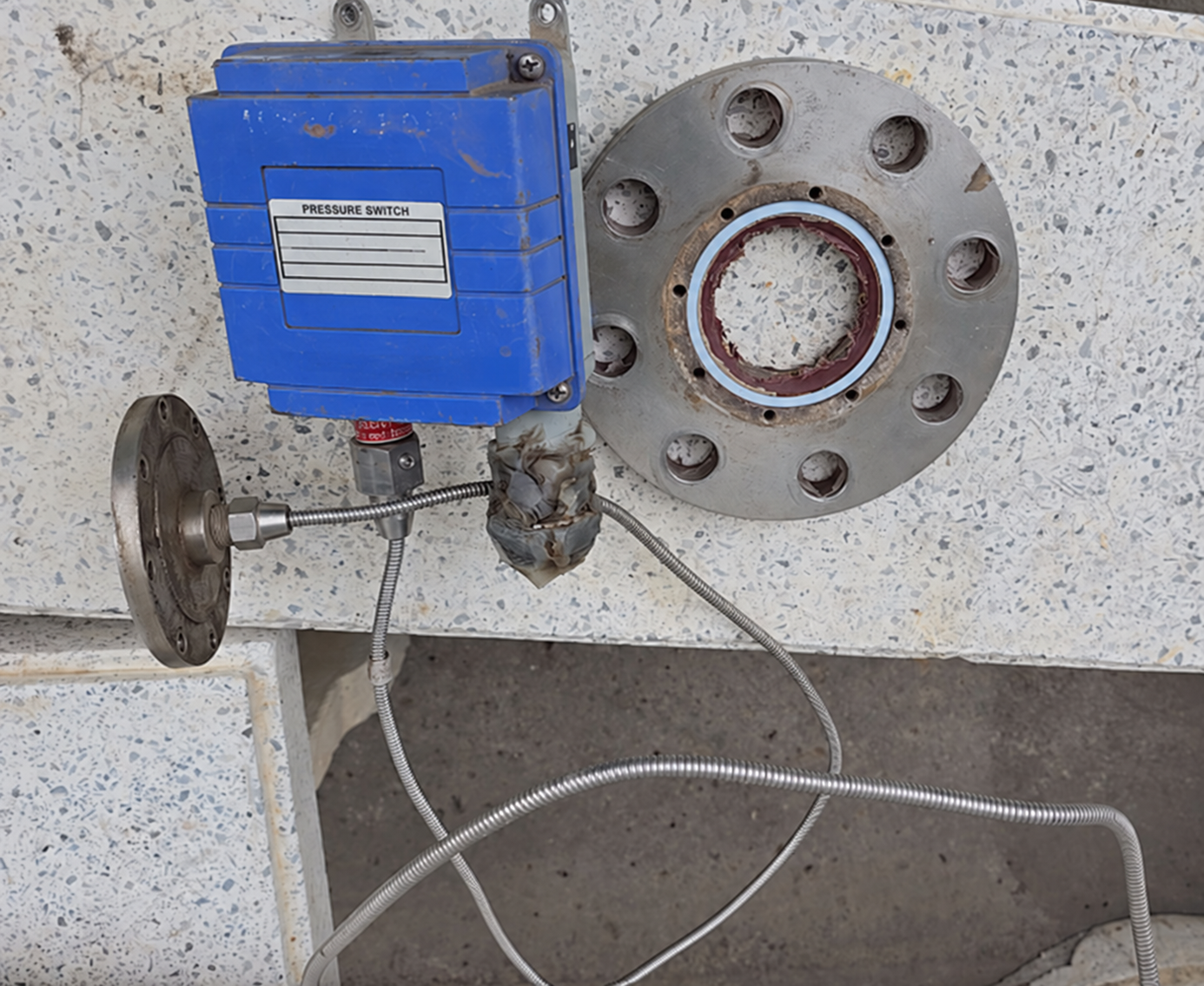
Which Parts Need a Compatibility Check?
The thin diaphragm transfers pressure to the sealed measuring system. Depending on the design, the lower housing, process connection, gasket and any lining or coating may also contact the process fluid. A corrosion-resistant diaphragm alone does not protect an incompatible lower housing or gasket.
For a flanged installation, review the body and diaphragm material options of the DIF flanged diaphragm seal separately. The catalogue lists possible configurations; the final combination still needs confirmation for the specified medium, pressure and temperature.
Prepare These Details Before Selecting a Material
- The complete chemical name, mixture composition, concentration range, water content and known impurities. A description such as “corrosive liquid” is not sufficient.
- Normal and maximum temperatures, including startup, shutdown and cleaning conditions.
- Working pressure, maximum pressure, vacuum conditions and pressure cycling where relevant.
- Solid particles, crystallization, viscosity and possible abrasion at the sensing face.
- Cleaning agents, concentrations, temperatures and contact times; also identify food, hygienic or documentation requirements.
Supply the safety data sheet and operating history when available. They help define the application, but a safety data sheet alone does not establish long-term material compatibility for a thin diaphragm.
Why Temperature and Cleaning Matter
A material that performs acceptably at room temperature may corrode faster when heated. Changes in concentration, impurities or exposure conditions can also change the corrosion mechanism. A room-temperature compatibility chart is therefore only a starting point.
Evaluate both the production medium and the cleaning cycle. For example, a mild process fluid does not remove the need to check a hotter or more concentrated cleaning solution. In hygienic applications, also confirm surface finish, connection design, gaskets and cleanability.
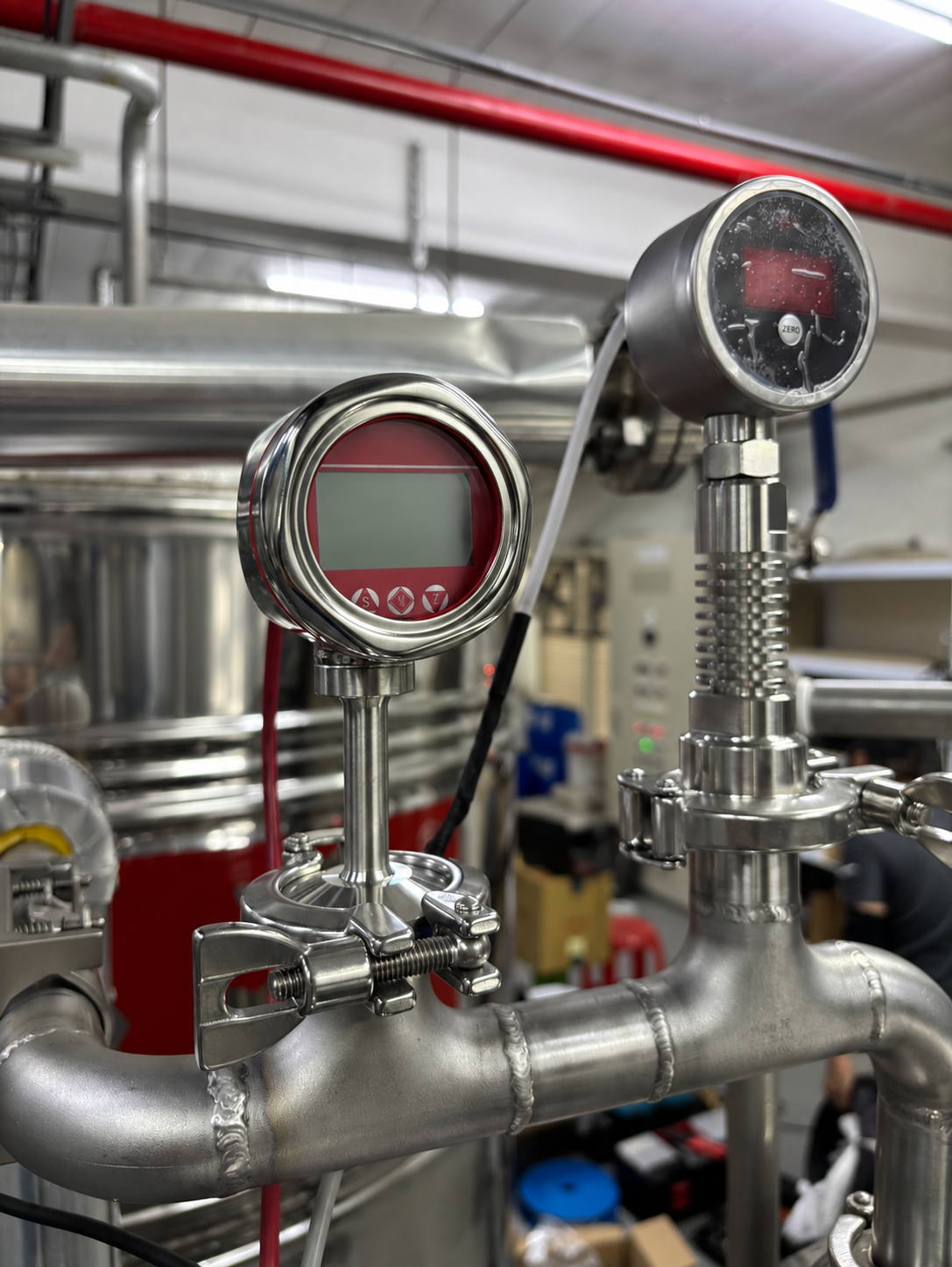
For hygienic process connections, the DIS-C sanitary Tri-Clamp diaphragm seal is a useful starting point for evaluating a clamp connection in hygienic service. Selecting a sanitary connection or a 316L option does not by itself confirm suitability for every cleaning cycle.
Are Special Alloys or Coatings Always Better?
Nickel alloys, tantalum, titanium and fluoropolymer coatings each have their own application limits. Compare chemical compatibility together with pressure and temperature limits, joining methods, abrasion and cost. A more expensive material is not automatically the correct one.
Corrosion resistance is different from wear resistance. For fluids containing particles, review flow and cleaning practices as well as the diaphragm material. Coatings require suitable service limits and an intact surface; they should not be treated as a repair for an already damaged diaphragm.
Check the Cause Before Replacing a Corroded Seal
Record where deterioration occurred and whether the medium, concentration, temperature or cleaning method has changed. Replacing the seal with the same specification without reviewing these conditions can repeat the failure. Surface colour alone cannot distinguish deposits, oxidation and active corrosion.
If leakage or diaphragm damage is suspected, follow the plant isolation and maintenance procedure before inspection. Do not open the filled seal assembly or scrape the thin diaphragm. Refer to Diaphragm Seal Process Leaks: What to Check for related troubleshooting points.
International Standards: Use the Right Scope
- ASME B40.100-2022: covers pressure gauges and gauge attachments, including diaphragm seals. Use it as a framework alongside the manufacturer’s application and material requirements.
- ISO 15156-1:2020: provides general principles for selecting and qualifying metallic materials resistant to H₂S-related cracking in oil and gas production and natural-gas sweetening service. It is not a general corrosion-compatibility standard for all chemical processes.
- ASME BPE-2026: addresses equipment for applications with high hygienic requirements, including materials, design and fabrication. Alloy designation alone does not establish hygienic suitability.
Confirm the applicable edition and required documents against the project specification and local requirements. Mentioning a standard does not mean that a product is certified to it or that every material option is suitable for the application.
Frequently Asked Questions
Is slight discolouration on a diaphragm normal?
It may be a deposit, oxidation or corrosion. Review the surface condition, measurement behaviour and inspection findings rather than judging by colour alone. Have suspected thinning or damage assessed by the manufacturer.
Is 316L enough for a food or hygienic application?
No. Confirm the surface finish, process connection, gasket, cleaning conditions and required documents as a complete assembly. Where fill-fluid suitability is required, specify that separately as well.
Choose from the Full Operating Conditions
Reliable diaphragm seal selection combines the medium, concentration, temperature, pressure, particles and cleaning conditions with the complete wetted construction. Share those details with SJ Gauge before confirming the material and model.