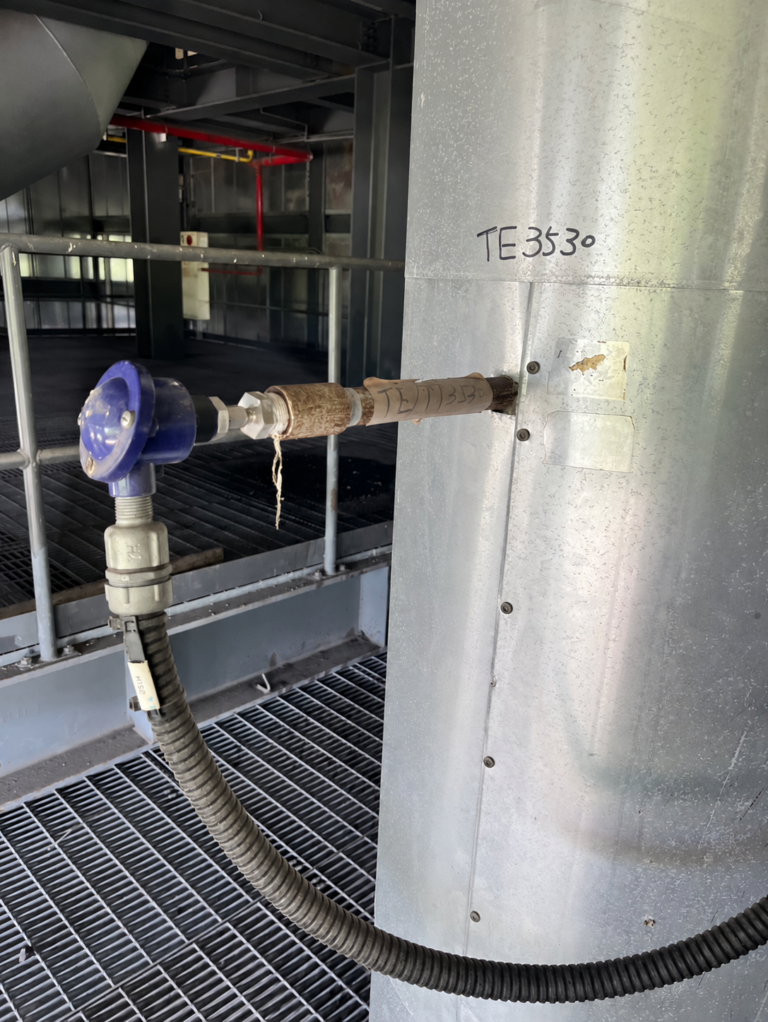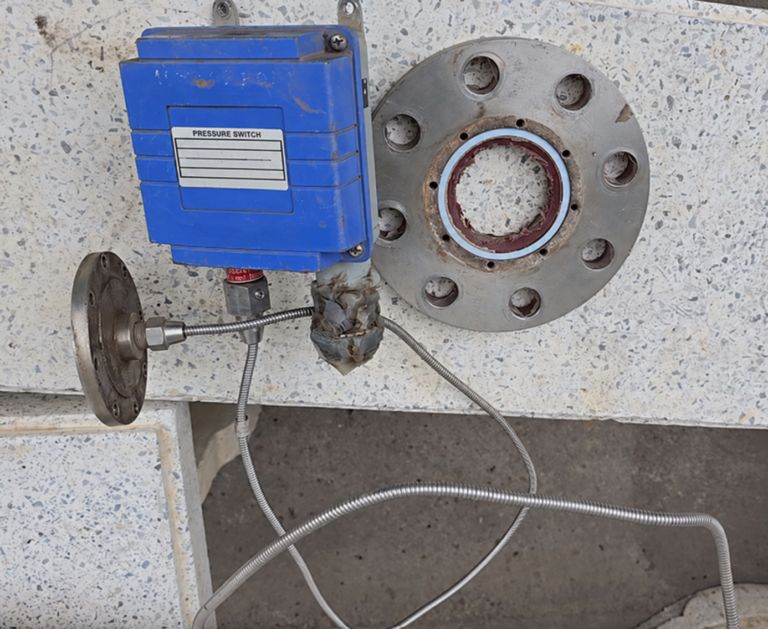









Pressure gauge process connections are commonly specified with NPT, G/BSPP or what the market often calls PT threads. These connections can look almost identical, yet their taper, thread form, pitch and sealing location may be different.
Selecting the wrong thread can prevent the gauge from tightening correctly, damage the connection or cause leakage. This guide compares the three common thread families and explains what to confirm before ordering a replacement pressure gauge.
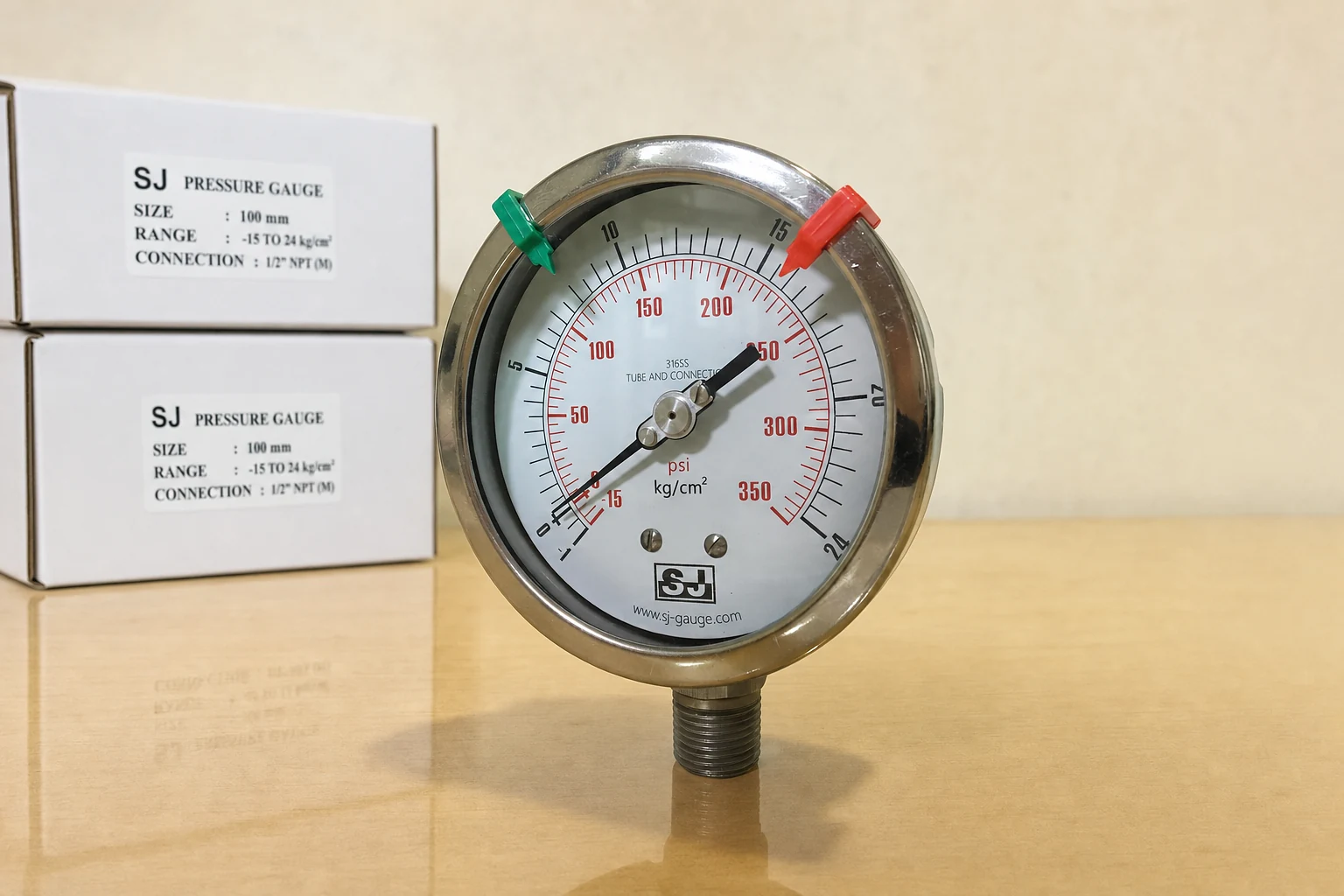
NPT vs PT vs G Threads: Quick Comparison
| Thread type | Thread profile | Common sealing method | Selection point |
|---|---|---|---|
| NPT | Tapered pipe thread | Compatible thread sealant or PTFE tape applied to the threads | Common on equipment designed to North American standards |
| G / BSPP | Parallel pipe thread | Sealing washer, bonded seal or O-ring at the mating face | Common on equipment used in Asia and Europe |
| PT / R-type | Usually a market term for a tapered pipe thread | Sealing occurs on the threads | Confirm the actual standard and male/female designation |
Important: A nominal size such as “1/4 inch” does not identify the thread standard. A 1/4-inch NPT connection is not automatically compatible with a 1/4-inch G or PT connection.
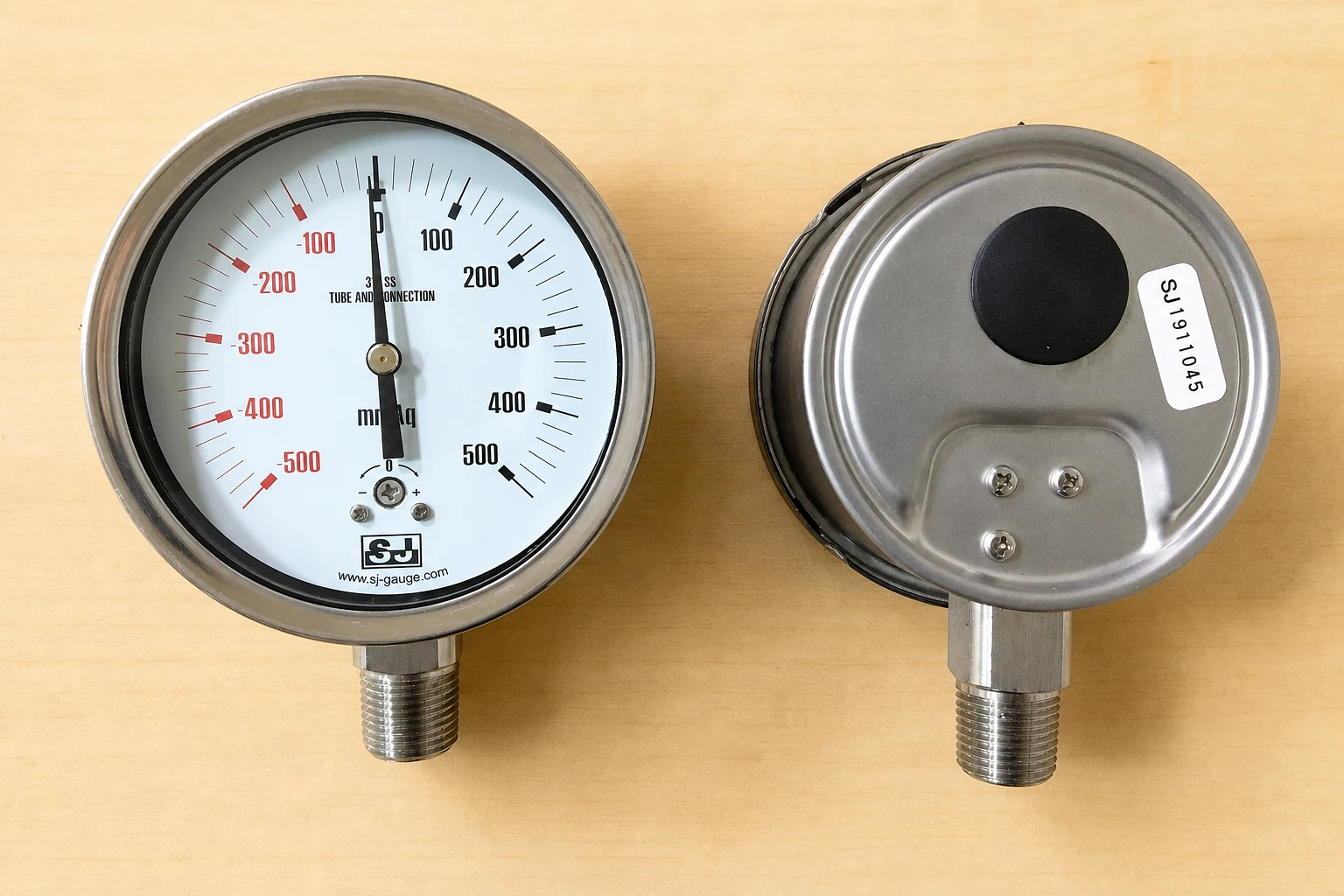
What Is an NPT Pressure Gauge Thread?
NPT is a tapered pipe thread. The male and female threads tighten progressively as they are assembled, and a compatible thread sealant or PTFE tape is normally used to seal the helical leakage path.
A few exposed threads after installation do not necessarily indicate a loose connection. The correct engagement depends on the thread size, tolerances and installation requirements. Over-tightening can crack a fitting, deform the gauge socket or damage the threads.
Why Does a G/BSPP Thread Need a Washer or O-Ring?
G threads, also known as BSPP, are parallel rather than tapered. They are generally not sealed by wedging the male and female threads together. Instead, the pressure-tight seal is made at a mating face with a washer, bonded seal or O-ring.
If the sealing element is missing, damaged or incompatible with the process medium and temperature, the connection may leak even when additional PTFE tape is applied. For a G-thread connection, inspect the sealing face and specify the correct gasket material rather than relying on the threads alone.
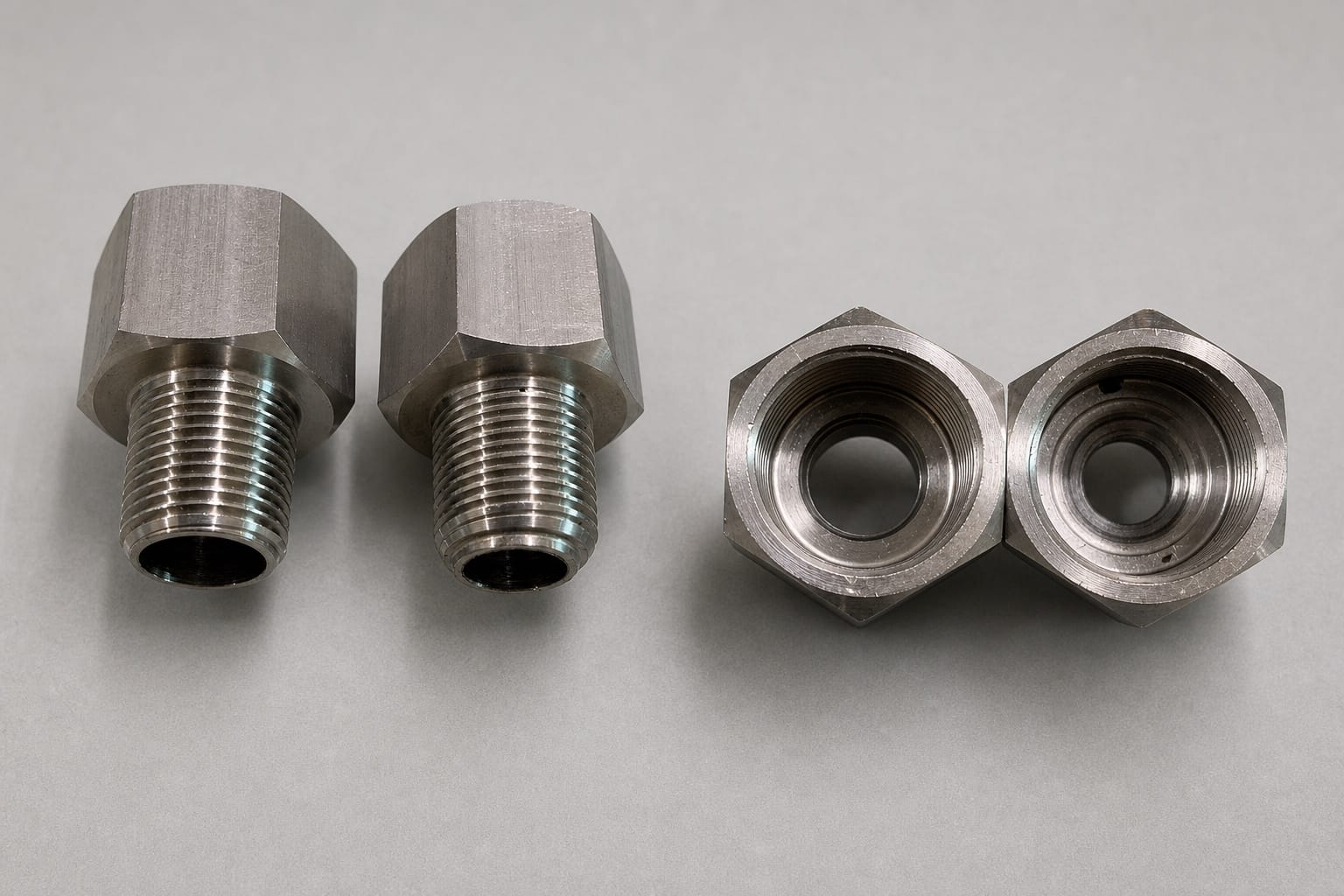
Can a PT Thread Be Connected Directly to NPT?
Directly mixing PT/R-type and NPT threads is not recommended. They may appear to engage for the first few turns, but the thread form, pitch and dimensional standard are not necessarily compatible.
- Cross-threading or damaged thread flanks
- Galling or seizure during installation
- Insufficient engagement and reduced mechanical strength
- A leakage path that remains even after sealant is applied
When an adapter is required, both ends should be specified independently—for example, 1/4 NPT male to G 1/4 female—together with the pressure rating, material and sealing method.
International Standards Reference
- ASME B1.20.1-2013 (R2018): dimensional and gaging requirements for NPT and related inch pipe threads.
- ISO 7-1:1994, with Technical Corrigendum 1:2007: R, Rc and Rp pipe threads where pressure-tight joints are made on the threads.
- ISO 228-1:2000: parallel pipe threads designated G, where pressure-tight joints are not made on the threads alone.
- JIS B 0203:1999: taper pipe threads used in Japanese industrial practice.
Standards applicability, revision status and certification requirements should be confirmed for each project. Referencing a standard does not by itself certify a pressure gauge or connection.
How to Identify the Thread on an Existing Pressure Gauge
- Check the gauge model, datasheet, purchase record or marking on the socket.
- Measure the thread outside diameter with a suitable caliper.
- Measure the pitch with a thread pitch gauge rather than estimating from a photo.
- Check whether the thread is parallel or tapered.
- Confirm the male/female connection and where the sealing element is located.
For safety-critical equipment, confirm the connection with a thread gauge, a controlled drawing or the equipment manufacturer’s specification.
Frequently Asked Questions
Can I identify a pressure gauge thread from a photo?
A photo is useful for preliminary screening, especially when it shows the complete connection and sealing face. However, it cannot reliably confirm pitch, taper or thread standard. Include the old gauge model number and measured dimensions when requesting a replacement.
Is 1/4 NPT the same size as G 1/4?
No. Both use a 1/4-inch nominal designation, but they follow different thread standards and sealing principles. Do not use nominal size alone to determine compatibility.
Should PTFE tape be used on a G thread?
G/BSPP connections normally rely on a washer, bonded seal or O-ring at the mating face. PTFE tape on the thread does not replace the specified sealing element.
Conclusion
NPT, PT/R-type and G/BSPP pressure gauge threads differ in geometry and sealing method. Before ordering, confirm the thread standard, nominal size, male/female configuration and the intended sealing point. This simple check helps prevent leaks, cross-threading and unnecessary replacement work.
Need Help Confirming an Existing Connection?
Send SJ Gauge the old gauge model, clear connection photos and measured thread dimensions. Our team can help identify the likely connection and recommend a suitable pressure gauge configuration.
(Further Reading: Introduction to Frequently Used Thread Standards for Industrial Instruments: Four Steps to Identify Thread Specifications!)