








When a pressure gauge fogs up, first identify whether the moisture is outside or inside the window. External condensation can usually be checked by wiping the surface. If droplets or fog remain inside, investigate moisture in the case, seal condition and temperature changes. If the reading is obscured, do not assume the gauge is fit for service simply because the fog later clears.
A suitably sealed and liquid-filled gauge can reduce the effects of condensation inside the case and dampen vibration-induced pointer movement. Liquid filling does not make a gauge universally waterproof: enclosure protection, temperature limits and installation requirements remain specific to the instrument.
Why Does a Pressure Gauge Fog Up?
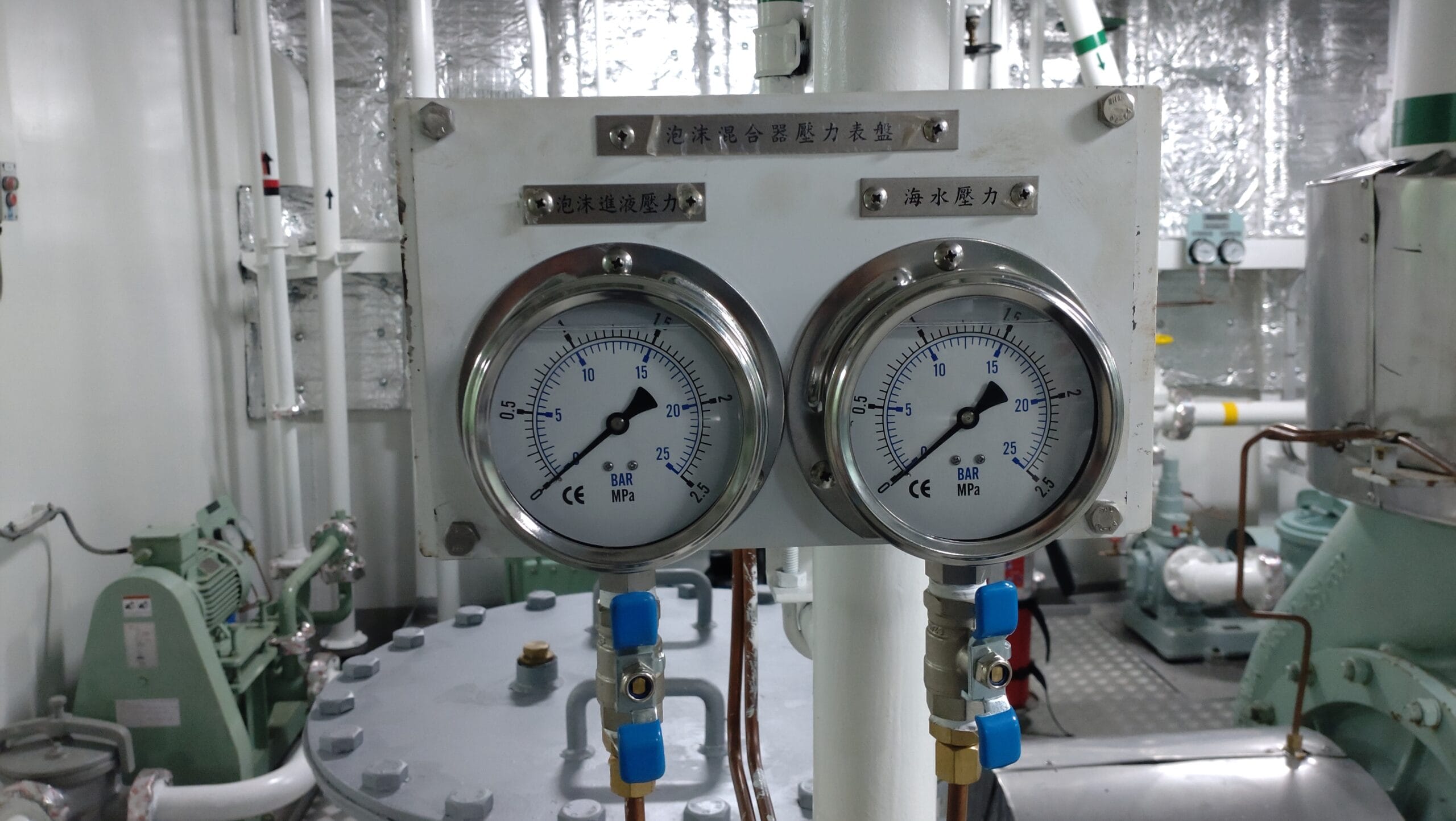
Fog or droplets can form when moisture is present inside the case and the window becomes cold enough for condensation. Day-to-night temperature changes, humid air around cold piping and temperature changes during equipment start-up or shutdown are useful conditions to record.
- Outdoor or humid locations expose the instrument to rain, damp air or dew.
- Aged, loose or damaged windows, plugs or seals can allow moisture to enter.
- Direct washdown jets can exceed the instrument’s specified protection.
- Damp air can remain after assembly or servicing, or the original seal may not have been restored.
Internal fogging shows that moisture is present in the case; it does not identify a particular failed seal on its own. Record when it occurs, weather conditions, washdown activity and equipment operating state before arranging an inspection.
Distinguish External Moisture, Internal Condensation and Fill-Fluid Problems
Where the instrument is safe to access, wipe the outside of the window with a soft, dry cloth. If this restores visibility and no droplets remain inside, check for external condensation. Persistent fog, droplets or pooled liquid require closer inspection. Also rule out scratches, dirt and reflections rather than treating every cloudy appearance as condensation.
A liquid-filled gauge already contains case fill fluid. A visible liquid level or air space does not by itself indicate water ingress. Conversely, cloudy or emulsified fluid, substantial loss of fill or continuing leakage should not be dismissed as a normal air bubble. Compare the condition with the original fill level, the model requirements and earlier photographs.
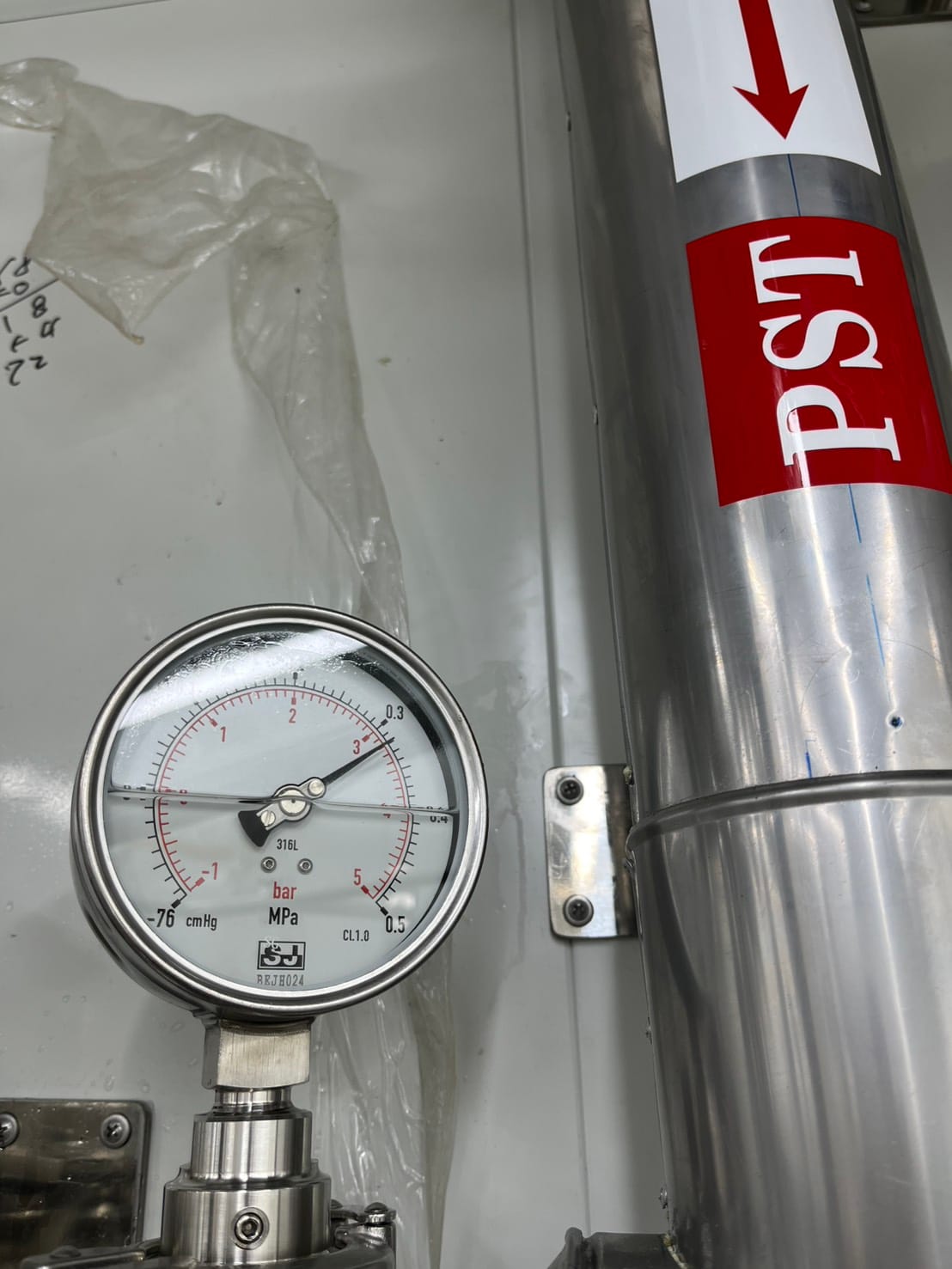
How Does Liquid Filling Help with Moisture?
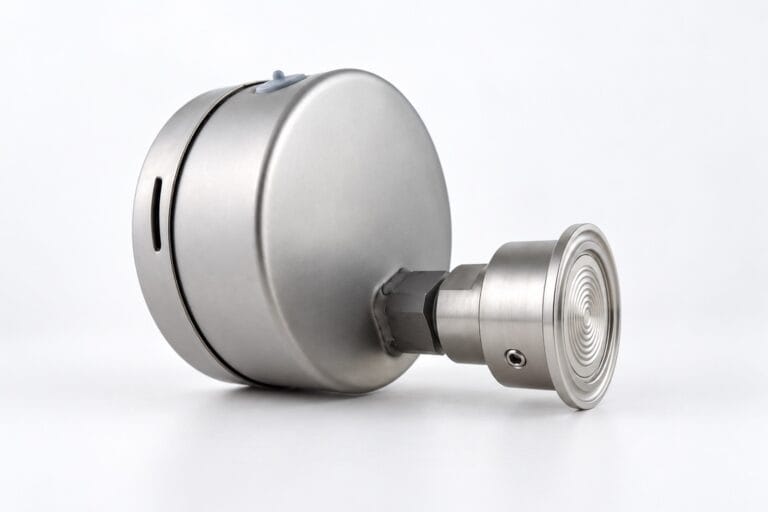
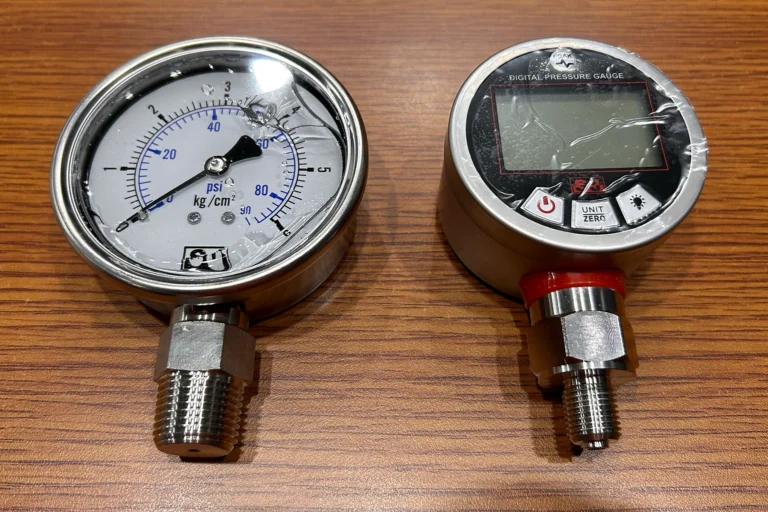
Liquid-filled pressure gauges use glycerine, silicone oil or another specified fluid to occupy much of the case. With suitable sealing, this reduces the air space available for moist air and helps limit internal condensation. The liquid also damps mechanical vibration to improve pointer readability. Here, liquid filling means case fill, which serves a different purpose from the pressure-transmitting fluid in a diaphragm-seal system.
Select the fill fluid against both ambient and process temperature requirements. Viscosity increases at low temperatures and can affect pointer response. The names “glycerine” and “silicone oil” alone do not establish an instrument’s operating limits, and fill fluids should not be changed without the manufacturer’s instructions.
For example, the PRS stainless steel case pressure gauge offers dry, glycerine-filled and silicone-filled options for pumps, compressors and general piping. Where stainless steel wetted parts are being considered, the PRSS pressure gauge with 316L stainless steel wetted parts is another option to review. Check media compatibility, operating temperatures and environmental protection requirements rather than relying only on case material or the presence of liquid fill.
Liquid fill does not authorize continuous immersion or high-pressure, high-temperature washdown. Where an IP rating is specified, check its test conditions and installation requirements; ingress protection and resistance to internal condensation are different considerations. Follow the manufacturer’s instructions for plugs and pressure-compensation features, without arbitrarily sealing or cutting them.
Can a Fogged Gauge Stay in Service?
For external condensation that can be wiped away, review rain exposure, ventilation and cleaning practices, then monitor for recurrence. Repeated internal fogging calls for inspection. A plausible-looking reading is not proof that measurement performance and safe condition are intact.
If there is pooled water, corrosion, window damage, a sticking pointer, an abnormal zero or an unreadable indication, take the gauge out of service for inspection or replacement under the site procedure. Before removal, qualified personnel must isolate and depressurize the connection and confirm that the medium and temperature are safe. Do not remove a pressurized gauge or use heating or unsupervised refilling to conceal the problem.
Inspect the window, plug, seals, fill fluid and installation location together. Replacing the gauge alone may not prevent recurrence if washdown exposure, temperature cycling or sealing problems remain.
International Standards References
- EN 837-1: a reference for Bourdon-tube gauge dimensions, metrology, requirements and testing. Verify environmental suitability against the specific model and its test documentation.
- ASME B40.100-2022: covers terminology, safety, construction, installation and testing for pressure gauges and attachments, providing technical context for selection and use.
- IEC 60529: a reference for enclosure IP classifications and tests. Where a product declares an IP rating, use its stated conditions and documentation; liquid fill alone does not establish that rating.
Confirm the applicable scope and edition against the installation, process and purchase specification. Standards are cited as technical references; this does not certify the instruments shown in photographs or every SJ product.
Frequently Asked Questions
Is a Small Air Space in a Liquid-Filled Gauge Normal?
It can be normal. Fill fluid expands with temperature, so the manufacturer may leave an air space or provide a pressure-compensation feature. This does not make every air-space size acceptable. A substantial drop from the original level, leakage or cloudy fluid requires investigation. Follow the instructions for the specific model when assessing whether refilling is required.
Does Every Outdoor Pressure Gauge Need Liquid Fill?
No. Evaluate rain, humidity, temperature cycling, cold conditions and vibration together; liquid filling is one possible configuration. Enclosure protection, fill-fluid temperature limits, media compatibility and installation conditions still need to be checked. Outdoor placement does not make every liquid-filled gauge suitable.
Conclusion
Start by locating the moisture inside or outside the window, then review temperature changes, sealing and cleaning conditions. Liquid fill can reduce the effects of condensation and vibration, but it does not replace suitable enclosure protection and maintenance. An obscured indication or visible damage calls for an assessment of measurement reliability before continued use.
Contact SJ Gauge with installation photographs, the medium, operating pressure, ambient and process temperatures, and any outdoor or washdown exposure so our team can help assess suitable fill-fluid and protection options.
Further Reading: Liquid-Filled Gauge Troubleshooting; Why Is My Pressure Gauge Pointer Vibrating?.